
What Can Help With Tooth Pain Until Dental Care?
Quick Answer
What can help with tooth pain at home?
Several pain relief home remedies may help ease discomfort before you can visit a dentist. Warm saltwater rinses, cold therapy, careful oral hygiene, and avoiding foods that increase sensitivity may provide temporary relief. However, severe toothache pain or swelling may require prompt professional dental care.
Key Takeaways
- Tooth pain may develop from tooth decay, infections, or gum disease
- Warm saltwater rinses may help soothe irritated tissues
- A cold compress may help reduce pain and inflammation
- Clove oil may help calm the painful area temporarily
- Home remedies may only provide short-term toothache relief
- Early dental care may help prevent serious complications
Tooth pain can quickly interfere with your daily routine. Some people feel sharp discomfort while chewing, while others experience throbbing soreness that spreads into the jaw, ear, or gums. Even mild irritation around the affected tooth may point to a deeper dental issue that should not be ignored.
Many people search online for what can help with tooth pain because they want fast relief before seeing a dentist. Although certain home remedies may help ease symptoms temporarily, the underlying dental problem may continue worsening without proper treatment.
Why Tooth Pain Happens
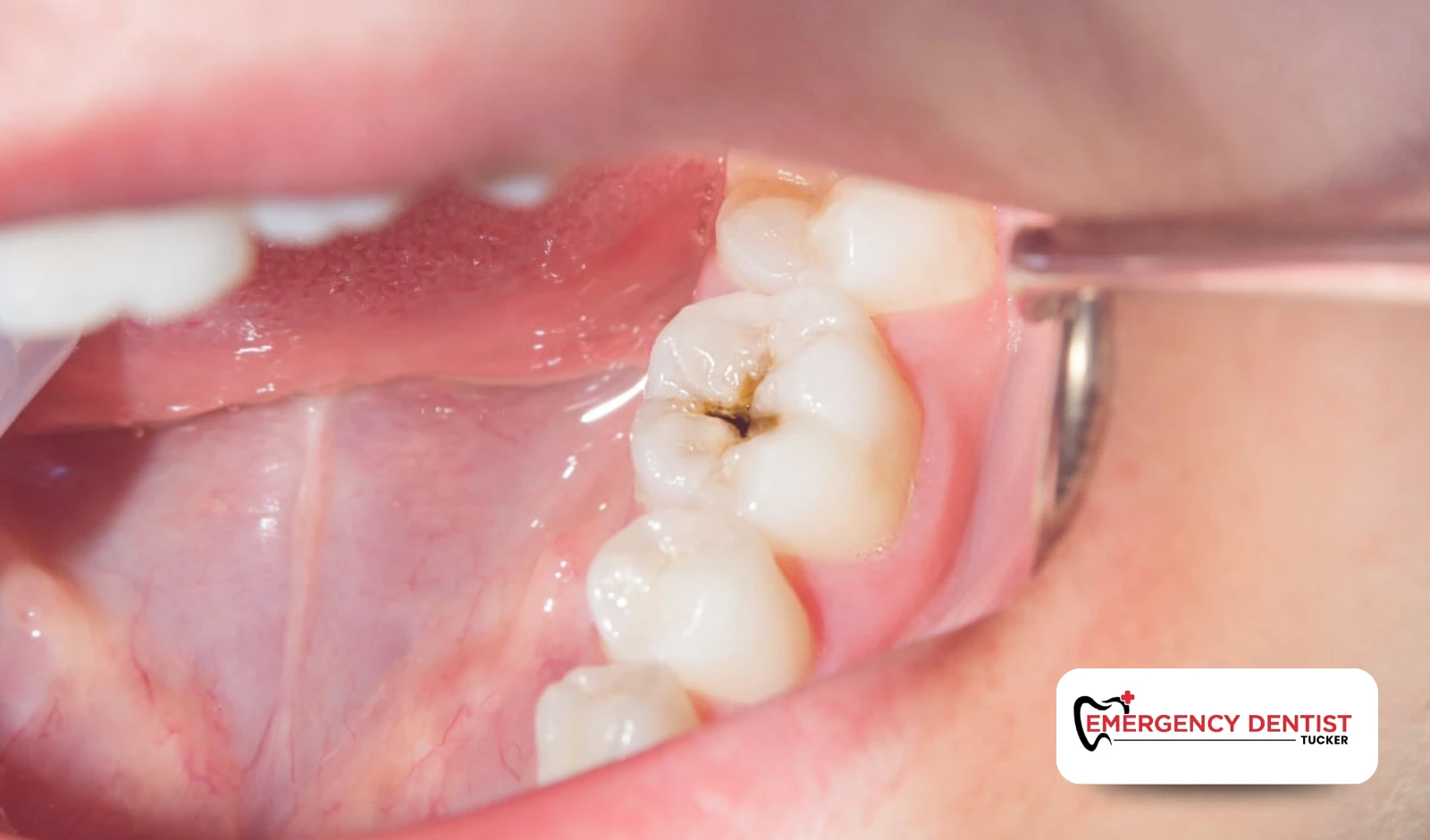
There are several reasons why teeth may suddenly become painful. One of the most common causes is tooth decay. Cavities slowly wear down the protective surface of the tooth and may eventually expose the sensitive inner tissues.
Other dental conditions may also trigger discomfort, including gum disease, infections, cracked teeth, exposed roots, or worn enamel. Some people also develop soreness from nighttime teeth grinding, which places pressure on the jaw and teeth while sleeping.
Pain may begin gradually before becoming more severe over time. A person may first notice sensitivity when eating sweets or drinking cold beverages before the toothache pain becomes more constant.
Without treatment, irritation may spread deeper into the tooth or nearby tissues, increasing the risk of swelling or infection.
Home Remedies That May Help Ease Tooth Pain

Although home care cannot fully treat dental problems, several toothache remedies may help provide temporary relief before professional treatment becomes available.
Keep the Mouth Clean
Keeping the mouth clean may help lower irritation around the affected area. Food particles and bacteria trapped near the gums may increase sensitivity and soreness.
Brush gently using a soft toothbrush and floss carefully around the affected tooth. Aggressive brushing may irritate sensitive gums and make discomfort worse.
Some people also rinse your mouth gently with warm water after meals to help remove debris and keep the mouth cleaner throughout the day.
Maintaining good oral hygiene habits may help support oral health while waiting for treatment.
Warm Saltwater Rinses May Help
Warm saltwater rinses are among the most common pain relief home remedies for mild dental discomfort. Saltwater may help soothe irritated tissues while helping keep the mouth cleaner.
To prepare the rinse, mix a small amount of salt into a glass of warm water. Some people use teaspoons of salt to create a gentle rinse that may help calm irritation around the painful area.
Swish the mixture carefully around the mouth for several seconds before spitting it out. This may help reduce pain and inflammation while helping clean the affected area.
Avoid forceful rinsing because sensitive tissues may become more irritated.
Cold Therapy May Help Reduce Swelling
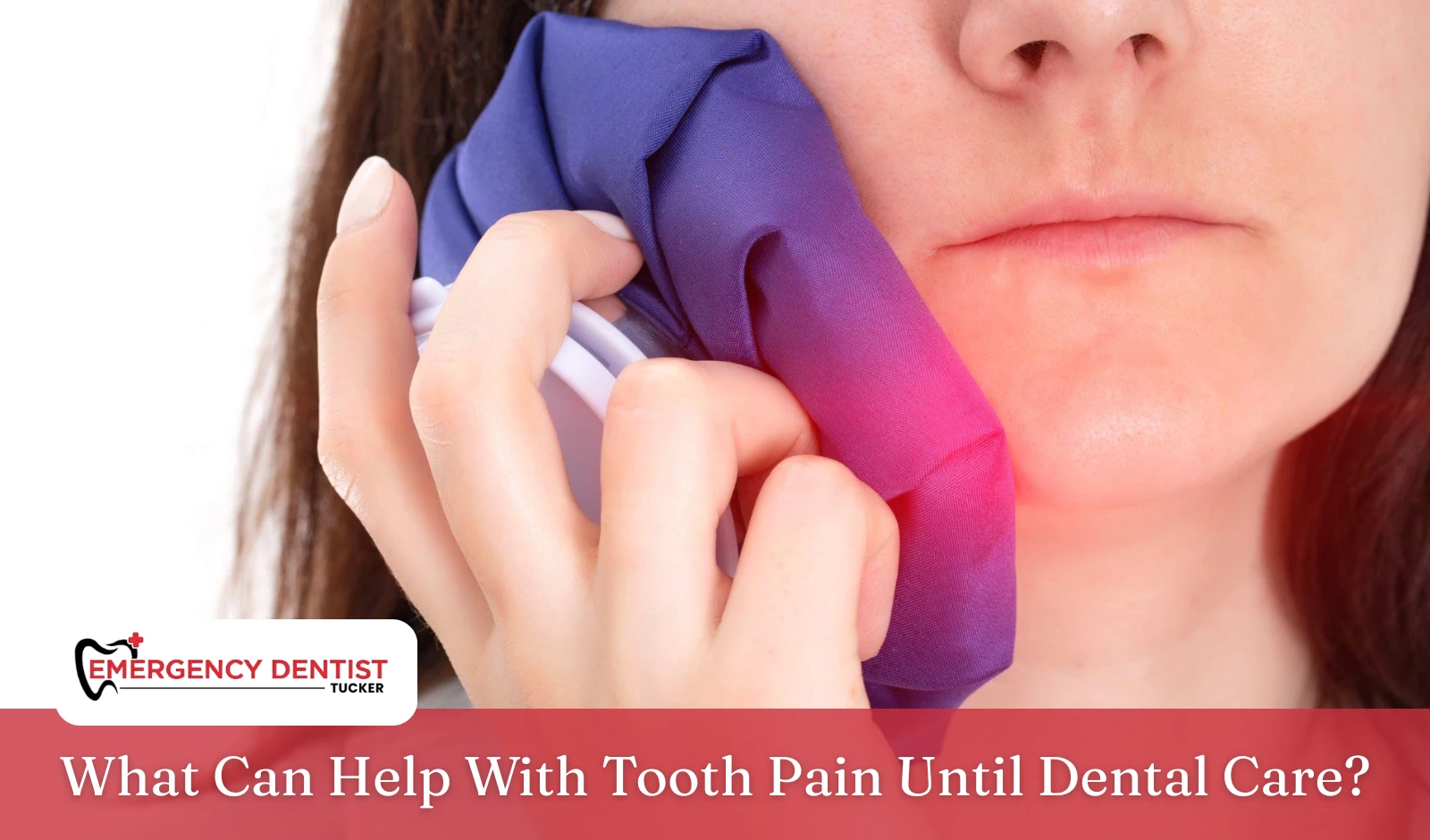
Cold therapy may help lower swelling and ease discomfort around the affected tooth. Many patients place a cold compress along the outside of the cheek near the painful area for short periods throughout the day.
Cold temperatures may help narrow blood vessels, which can temporarily reduce pain and inflammation. Wrapping the cold pack in a towel may help protect the skin from irritation.
This method may also help reduce pressure connected to swelling around the gums or jaw.
Clove Oil May Provide Brief Comfort
Some people use clove oil as one of their preferred toothache remedies because it may help numb discomfort temporarily.
A cotton ball may be lightly coated with diluted clove oil before carefully placing it near the affected tooth. Avoid applying too much oil directly onto the gums because irritation may occur.
Although clove oil may provide temporary relief, it does not fully treat the dental condition causing the discomfort.
Pain Reliever Medications May Help Briefly
Some patients use over-the-counter pain reliever products while waiting for a dental appointment. These medications may help lower discomfort for a short time.
Pain reliever medications should always be used as directed on the label or recommended by a healthcare provider.
Even if symptoms improve briefly, conditions such as tooth decay, infections, or gum disease may continue worsening beneath the surface. Professional dental treatment is often necessary for lasting toothache relief.
Bleeding Gums May Point to Infection
Bleeding gums sometimes appear together with tooth discomfort. This may happen because of irritation, infection, aggressive brushing, or gum disease.
Swelling, tenderness, or bleeding around the gums may point to inflammation inside the mouth that requires professional evaluation.
If bleeding gums continue or become worse, contact a dentist promptly for care.
Symptoms That Should Not Be Ignored
Some symptoms may point to a more serious dental emergency. Contact a dentist immediately if you notice:
- Swelling in the jaw, face, or gums
- Fever together with dental discomfort
- Difficulty chewing or opening the mouth
- A cracked or broken tooth
- Severe toothache pain that continues worsening
- Pain spreading into the ear, jaw, or neck
- Bleeding gums that continue worsening
These symptoms may indicate infection or another serious dental condition.
Why Professional Dental Care Matters
Home remedies may help provide temporary relief, but they do not treat the root cause of dental pain. Delaying treatment may increase the risk of infection, swelling, worsening discomfort, or tooth loss.
Professional dental care allows a dentist to identify the source of the problem and recommend the proper treatment. Early care may help protect long-term oral health and prevent future complications.
Final Thoughts
Learning what can help with tooth pain at home may help you stay more comfortable before treatment. Warm water rinses, cold therapy, clove oil, and similar home remedies may help ease discomfort for a short time.
However, these methods only manage symptoms and do not fully treat the source of the discomfort. Lasting toothache relief often requires prompt professional dental treatment.
Fast Dental Care for Ongoing Tooth Pain
At Emergency Dentist in Tucker, we help patients dealing with swelling, damaged teeth, severe sensitivity, and ongoing dental discomfort. Our team works quickly to identify the source of the problem while providing treatment focused on comfort, fast support, and long-term oral health.
Delaying care may allow dental problems to become more serious over time. Contact our office today to schedule an emergency dental appointment and receive prompt treatment for urgent tooth pain.
Frequently Asked Questions
What can help with tooth pain before a dental appointment?
Home remedies such as warm saltwater rinses, cold therapy, and gentle oral care may help provide temporary relief before treatment. However, ongoing toothache pain should still be checked by a dentist.
Is clove oil safe to use for tooth discomfort?
Yes. Diluted clove oil may help numb tooth discomfort temporarily when applied carefully with a cotton ball near the affected tooth. Avoid using too much, as it may irritate the gums.
Can gum disease lead to tooth discomfort?
Yes. Gum disease may cause swelling, bleeding gums, soreness, and discomfort around the teeth and gums. Early treatment may help protect oral health and prevent complications.