
Emergency Tooth Infection Services in Tucker, GA
Fast, Reliable Care for Dental Emergencies in Tucker
Tooth infections and wisdom tooth pain are more than just uncomfortable, they can quickly become dangerous if left untreated. At our Tucker emergency dental clinic, we provide same-day appointments and immediate treatment to relieve pain, stop infection from spreading, and protect your overall health.
When to See an Emergency Dentist for a Tooth Infection

A tooth infection won’t go away on its own. Without urgent care, it can spread to your jaw, face, or even your bloodstream. If you’re experiencing any of the symptoms below, call our Tucker emergency dentist right away:
- Severe toothache or throbbing pain
- Swelling in your gums, face, or jaw
- Fever or chills alongside dental pain
- Pus or foul taste in your mouth
- Pain when chewing or biting
- Wisdom tooth swelling or infection
Don’t wait! Dental infections can escalate into medical emergencies.
Wisdom Tooth Infection Emergencies
Wisdom teeth are especially prone to infection due to their position in the back of your mouth, making them harder to clean. Common signs of a wisdom tooth infection include:
- Gum swelling around the wisdom tooth
- Difficulty opening your mouth
- Pain radiating to your ear or jaw
- Red, inflamed gum tissue
- Bad breath or unpleasant taste
Our emergency dentists in Tucker can assess whether you need antibiotics, drainage, or immediate extraction to eliminate infection and pain.
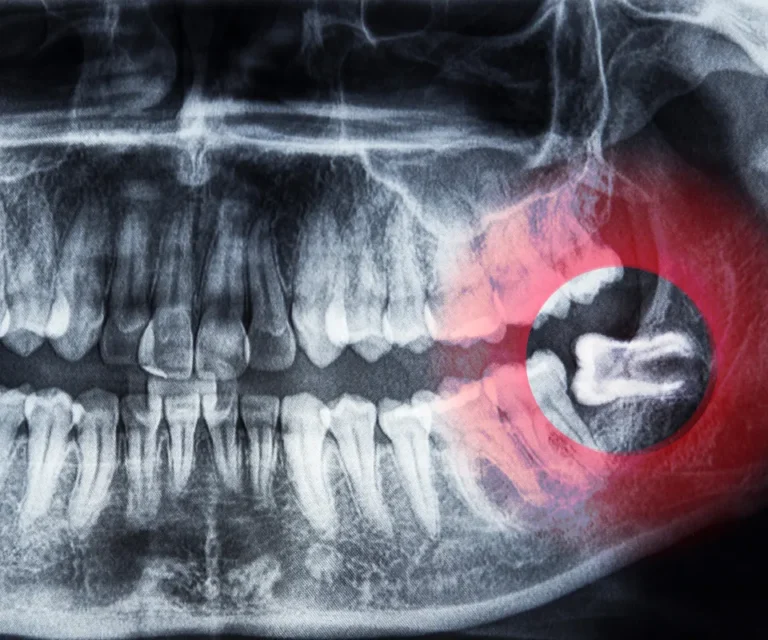
Tooth Infection Emergency? Get Relief Fast!
Why Choose Our Emergency Dental Care in Tucker

Immediate Relief
Walk-ins and same-day appointments available.
Experienced Emergency Dentists
Skilled in managing tooth and wisdom tooth infections quickly.
Compassionate Care
We understand dental emergencies can be stressful; we’re here to keep you calm and comfortable.
What to Expect at Your Emergency Dental Visit
Diagnosis
A quick but thorough exam, including X-rays if necessary.
Pain Relief
Medications to reduce discomfort and swelling

Treatment Plan
Antibiotics, drainage, or emergency extraction depending on severity
Follow-Up Care
Guidance to Restore Your Smile and Prevent Future Infections.
Frequently Asked Questions
How can I tell if my tooth is infected?
An infected tooth may cause persistent or throbbing pain, swelling, sensitivity to hot or cold, pain when chewing, or a bad taste in your mouth. Some infections can also cause a pimple-like bump on the gums or swelling around the affected tooth.
How does an infection get inside a tooth?
Bacteria can reach the inside of a tooth through deep decay, a crack or fracture, or dental trauma. Gum problems around a tooth can also lead to infection in the surrounding tissues.
Does swelling around a painful tooth mean I have an infection?
Swelling can be a sign of a tooth or gum infection, especially when it occurs with persistent pain, tenderness, a bad taste, or drainage. A dentist can examine the area to determine what is causing the swelling.
Why does the gum around my wisdom tooth feel swollen and painful?
A partially erupted or impacted wisdom tooth can trap food and bacteria beneath the surrounding gum tissue. This can lead to inflammation or infection and may cause pain, swelling, or difficulty opening your mouth.
How do I know when a tooth infection has become an emergency?
Seek urgent care if a suspected tooth infection causes severe or rapidly worsening pain, facial swelling, fever, difficulty swallowing or breathing, or swelling that is spreading. Difficulty breathing or swallowing requires immediate medical attention.
My face is starting to swell from a toothache. Should I get help now?
Yes. Facial swelling with tooth pain can indicate that an infection is spreading beyond the tooth. You should seek prompt professional care, particularly if the swelling is increasing or you also have fever or difficulty swallowing.
When does an infected wisdom tooth need urgent treatment?
An infected wisdom tooth may need urgent care when pain or swelling becomes severe, you develop a fever, or you have difficulty opening your mouth or swallowing.
What can happen if I wait too long to treat an infected tooth?
The infection may spread into the surrounding gums, jaw, or other tissues. Even if the pain temporarily improves, the infection may still be present and should be evaluated by a dentist.
What will a dentist do to get rid of a tooth infection?
Treatment depends on where the infection is located and how much the tooth has been damaged. Treatment may include draining an abscess, root canal therapy, or removing a tooth that cannot be saved.
Can an infected tooth get better without dental treatment?
A tooth infection generally does not resolve permanently without treating its source. Pain may sometimes decrease temporarily, but bacteria and infection can remain and continue to cause problems.
How will I know if my infected tooth needs a root canal?
A root canal may be recommended when infection has reached the pulp inside the tooth and the tooth can still be saved. The dentist may use an examination and X-rays to determine whether root canal treatment is appropriate.
Does having a tooth infection mean the tooth has to be pulled?
No. Some infected teeth can be preserved with root canal therapy or other treatment. Extraction may be recommended when the tooth is too severely damaged or cannot be predictably restored.
Can I get an infected tooth checked today in Tucker?
Same-day appointments may be available in Tucker for tooth pain, swelling, and suspected dental infections. Call (470) 866-6095 to ask about the earliest available appointment.
How will the dentist find out where the infection is coming from?
The dentist will examine the painful tooth and surrounding gums and review your symptoms. X-rays or other diagnostic tests may be used to locate the infection and check the tooth, root, and surrounding bone.
How can I make an appointment if I think my tooth is infected?
Call (470) 866-6095 or use the online appointment form to request an emergency dental appointment. When scheduling, mention symptoms such as tooth pain, swelling, fever, drainage, or a bad taste in your mouth.