
What Can I Take for Wisdom Tooth Pain? Easy Relief
Quick Answer
What can I take for wisdom tooth pain?
You can manage dental pain with OTC pain relievers, simple home remedies, and basic care like a salt water rinse, an ice pack, and keeping the area clean. These steps may help ease inflammation and provide temporary comfort, but ongoing pain should be checked by a dentist.
Key Takeaways
- Wisdom teeth pain may come from pressure, infection, or trapped food
- Home remedies can support short-term toothache relief
- Keeping the affected tooth clean helps with dental care
- Cold therapy may help calm swelling
- Persistent symptoms may require wisdom teeth removal
Wisdom teeth usually grow during your late teens or early adulthood. Some people never notice them, but others feel discomfort when there is not enough space in the mouth.
As the tooth pushes through the gums, it may press against nearby teeth or stay partly covered. This can lead to dental pain that feels dull, sharp, or throbbing. You might also notice swelling, jaw stiffness, or soreness near the affected tooth.
Food can easily get stuck in this area. This trapped food creates the perfect space for bacteria to grow, which can make the pain worse over time.
Common Causes of Wisdom Tooth Pain

Understanding the cause of your discomfort can help you choose the right next step.
One common issue is partial eruption. When the tooth only comes in halfway, it leaves a small opening where debris can collect. This can lead to irritation and swelling.
Another cause is tooth decay. Wisdom teeth are harder to clean because of their position at the back of your mouth. Over time, this can damage the tooth and increase sensitivity.
Inflamed gum tissue is another factor. As pressure builds, it can cause soreness that spreads to the jaw or nearby teeth.
In some cases, a dentist may recommend wisdom teeth removal to prevent repeated discomfort and protect your oral health.
What Can You Take for Tooth Pain and Home Remedies

Many people ask what they can take for wisdom tooth pain when it starts. The goal is to manage discomfort safely while protecting the area.
One of the most common options is OTC pain relievers. When taken at the recommended dose, these counter medications may help with reducing inflammation and easing dental pain.
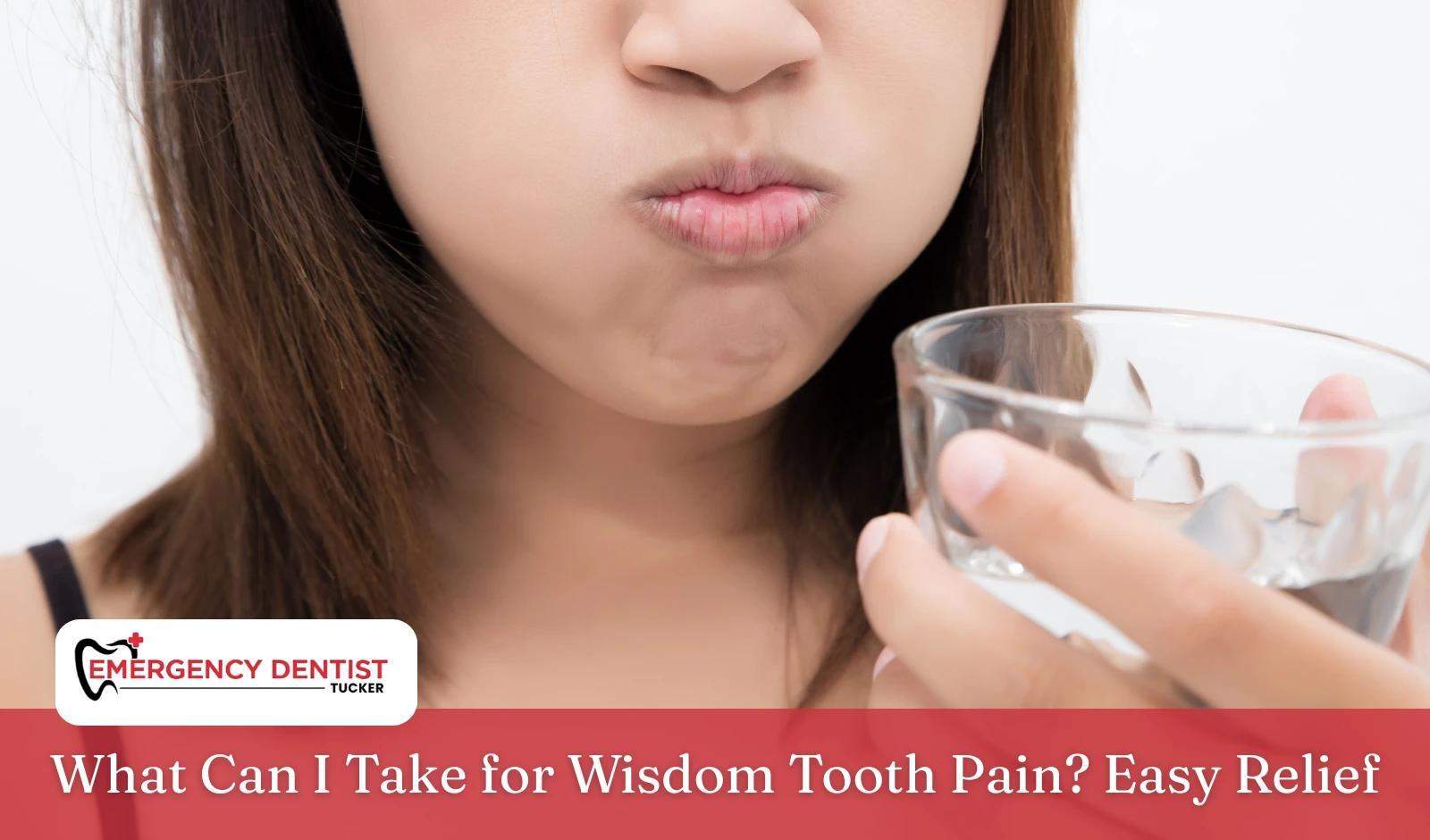
You can also rinse your mouth with a salt water rinse. Mix a teaspoon of salt in a cup of warm water and gently swish. This helps clean the area and may lower swelling.
Applying an ice pack to the outside of your cheek for about 20 minutes can help lower swelling and calm the area. This simple step can ease pressure and improve comfort.
Natural pain options may also provide relief. Some people use drops of clove oil because of their numbing effects. Apply a small amount to a cotton ball and gently place it near the sore spot for temporary comfort.
Peppermint tea bags may also help with toothache relief. After steeping, let them cool before placing them near the affected tooth. This can help soothe irritation.
Another option is vanilla extract. Using a small amount may provide natural pain relief, but it should be used carefully.
Simple Ways to Reduce Swelling and Discomfort
Along with treatment, small habits can make a big difference.
Keeping your head slightly elevated while resting may help reduce swelling, especially at night.
It is also important to choose soft foods. Hard or sticky foods can irritate the gums and make symptoms worse.
Maintaining good dental care is essential. Gently cleaning around the area helps remove debris and lowers the risk of infection.
These steps may help ease inflammation and support healing while you wait for professional care.
When to See a Dentist
Home remedies can help for a short time, but they do not fix the root cause. If symptoms continue, it is important to seek professional care.
Ongoing dental pain, swelling, or difficulty opening your mouth may be signs of a more serious issue. A bad taste that does not go away may also point to infection.
A dental professional can examine your condition and recommend the right treatment. In some cases, removing the tooth may be the best option to prevent future problems.
Early care can help protect your oral health and prevent complications.
Final Thoughts
Wisdom tooth discomfort can interrupt your daily routine, but simple steps can help you manage symptoms. From a salt water rinse to an ice pack, small actions can help calm swelling and improve comfort.
However, these methods only provide temporary relief. Long-term results come from treating the cause of the problem. Acting early can help you avoid more serious dental concerns.
Get Fast Wisdom Tooth Pain Relief in Tucker
If your pain is not improving, it may be time to get the care you need. Waiting too long can lead to more discomfort and possible complications.
Our team provides fast, patient-focused treatment designed to relieve dental pain and address the source of the issue. We make it simple to get the care you need when you need it most.
Don’t wait for the pain to get worse. Visit an Emergency Dentist in Tucker for same-day care and fast relief. Take control of your comfort and get back to your routine faster.
Call now or book your appointment online to get started.
Frequently Asked Questions
What can I take for wisdom tooth pain at home?
You can use OTC pain relievers, a salt water rinse, and an ice pack to help reduce swelling and ease discomfort.
Can home remedies reduce wisdom tooth pain quickly?
They may provide temporary relief and help reduce inflammation, but they do not treat the underlying cause.
When should I see a dentist for wisdom tooth pain?
If pain lasts more than a few days, worsens, or includes swelling or infection, it’s best to seek professional dental care.