
How Mouthguards Help Protect Teeth During Sports
Quick Answer
How do mouthguards help protect teeth during athletic activities?
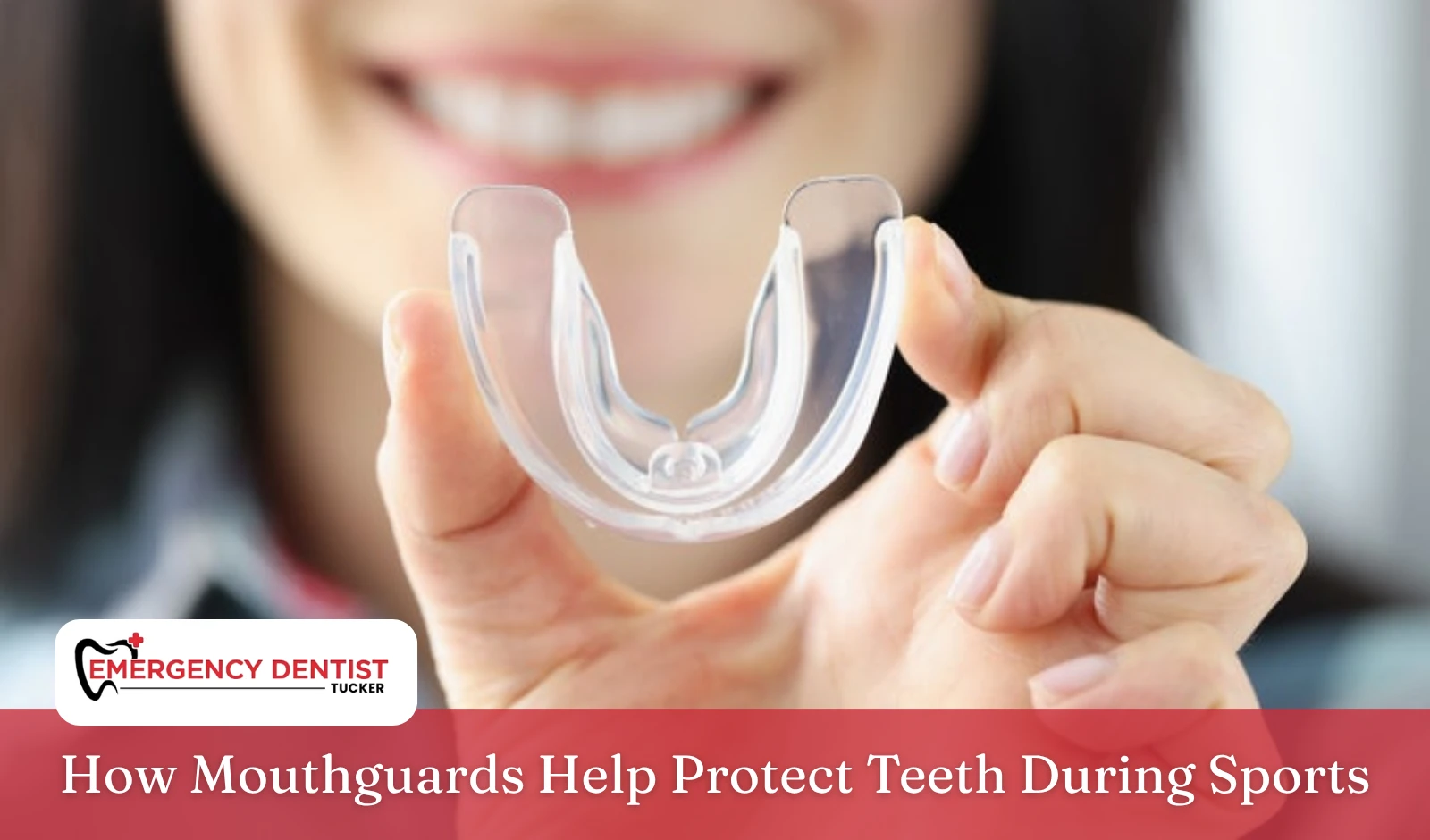
A mouthguard places a cushioning barrier over the teeth when an athlete falls, collides with another person, or receives a hit to the face. By absorbing and distributing part of the force, a properly fitted guard can help lower the chance of damage to the teeth and surrounding areas.
Key Takeaways
- Mouthguards provide cushioning around the teeth during physical activity.
- Dental injuries may occur during practice, competition, or recreational sports.
- A comfortable and secure fit helps athletes use their mouthguards consistently.
- Stock, boil-and-bite, and custom options offer different levels of fit.
- Mouthguards should be checked regularly for damage and changes in fit.
- Protecting the mouth while staying active can contribute to long-term oral health.
Athletic activities offer many benefits, including improved fitness, coordination, confidence, and social connection. However, quick movements, falls, player contact, and sports equipment can expose the mouth to unexpected injury.
Dental injuries in sports may occur during competition, practice, or recreational activity. Even sports without deliberate contact can lead to mouth injuries when someone falls or is accidentally struck.
Understanding how to prevent sports dental injuries allows athletes and families to consider protection before an accident occurs. Mouthguards add cushioning around the teeth during activities where impacts may happen.
What Does a Sports Mouthguard Do During an Impact?
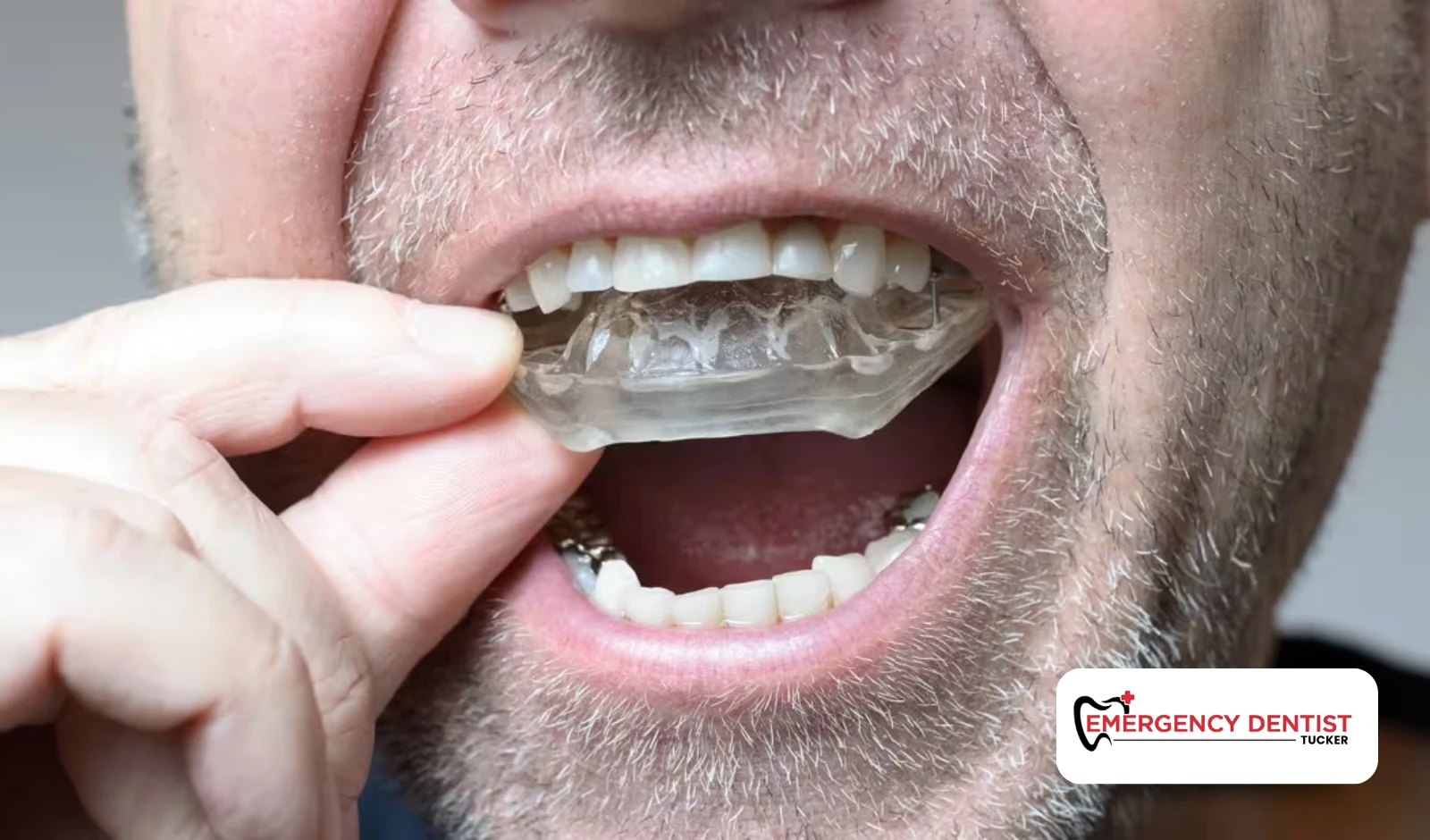
A sports mouthguard fits over the teeth and creates a protective barrier inside the mouth. When the face experiences an impact, the guard can help absorb and spread some of the force.
This may keep the entire impact from being concentrated directly on one tooth while providing added cushioning for the teeth and jaw.
The mouthguard also separates the teeth from softer tissues such as the lips and cheeks. If an athlete is hit in the face, this barrier may help limit cuts caused when those tissues are pushed against the teeth.
These functions help explain why mouthguards are commonly considered part of dental injury prevention sports safety.
Which Injuries Can Mouthguards Help Limit?
Mouthguards cannot eliminate every possible injury, but they can provide added protection for reducing the risk of certain problems.
Tooth fractures can occur when part of a tooth chips or breaks after an impact. A significant facial impact can sometimes be associated with jaw fractures, which need professional evaluation.
Athletes may also experience a soft tissue injury involving the gums, lips, cheeks, or tongue. A mouthguard can provide a barrier between these tissues and the teeth during sudden contact.
Using suitable protective equipment is therefore one practical part of preventing dental injuries during sports.
Which Activities Can Put the Mouth at Risk?
Mouth protection can be relevant in more activities than traditional contact sports.
Players in ice hockey move quickly while surrounded by other athletes, hard boards, sticks, and a fast-moving puck. People involved in martial arts may also experience direct impacts or falls.
Basketball, soccer, baseball, lacrosse, wrestling, gymnastics, and skateboarding can involve collisions, flying objects, or falls onto hard surfaces.
Regular participation in sports with these risks may make a mouthguard worth considering as part of an athlete’s safety equipment.
Protective gear cannot prevent sports accidents entirely, but it can help lessen the effects of some impacts.
Comparing the Main Types of Mouthguards
There are several types of mouthguards, and they vary in fit, customization, and convenience.
Stock Mouthguards
Stock mouthguards are manufactured in standard sizes and are ready to use. They are convenient, but their predetermined shape may not fit every athlete securely.
Boil-and-Bite Mouthguards
Boil-and-bite guards allow a more personalized shape. The material is softened in hot water and molded around the teeth according to the manufacturer’s instructions.
A carefully fitted boil-and-bite guard may provide better stability than a stock option.
Custom-Made Mouthguards
Custom mouthguards are individually created to match a person’s teeth.
A dentist can evaluate the mouth and provide a guard based on the athlete’s needs. A custom fitted mouthguard may be considered for people who participate frequently, experience regular contact, or have difficulty finding a comfortable over-the-counter option.
Why Is a Secure Fit Important?
Athletes are more likely to keep a mouthguard in place when it feels comfortable and secure.
A properly fitting guard should stay over the teeth without requiring constant clenching. It should also allow comfortable breathing and communication.
People who regularly wear a mouthguard should check its fit throughout the sports season. Normal use can gradually cause the material to thin, tear, crack, or change shape.
Children and teenagers may require more frequent checks because their teeth and jaws continue to develop. Adults can also experience fit changes after fillings, crowns, or other dental treatment.
How to Maintain Your Sports Mouthguard
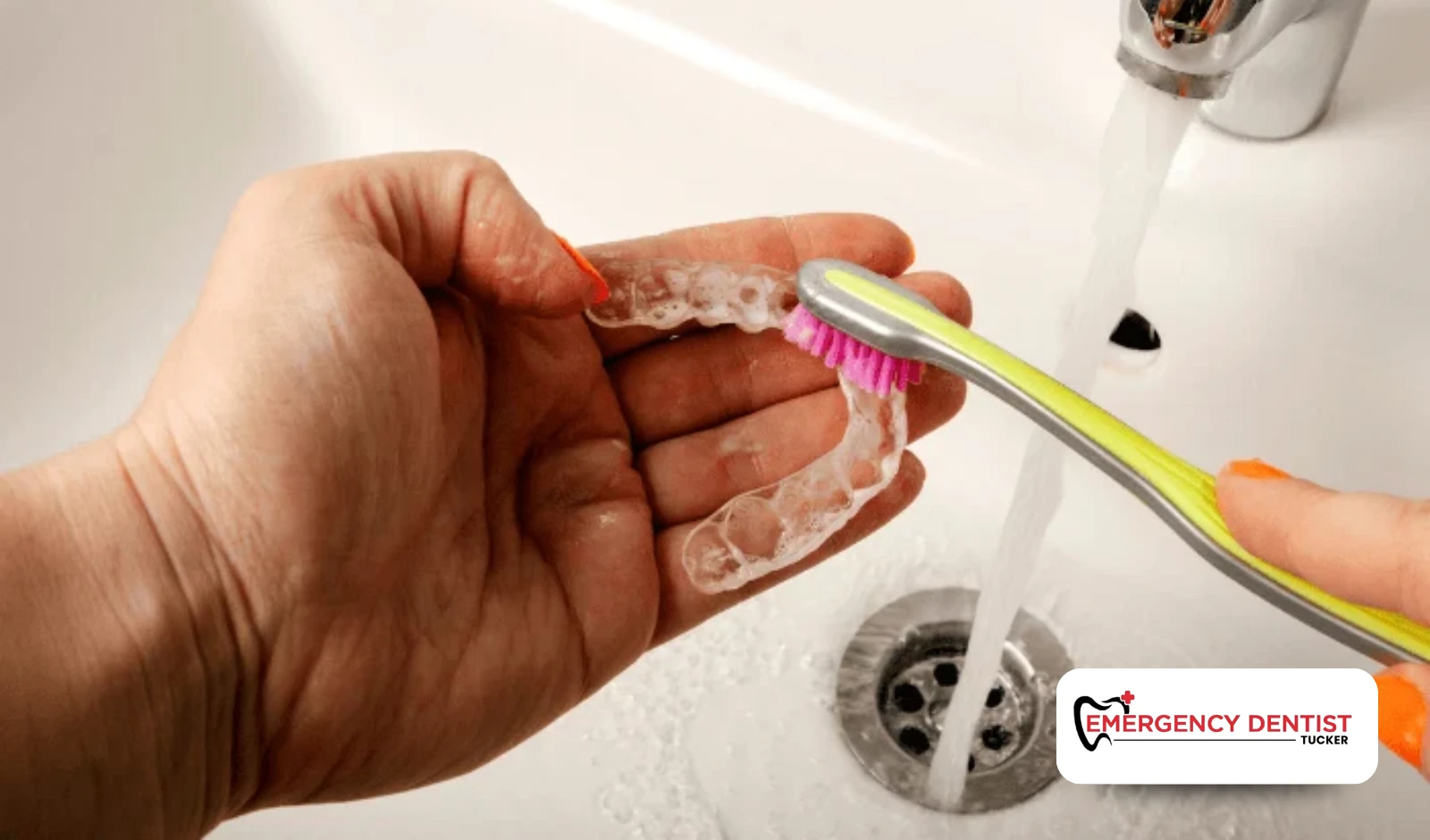
Rinse the mouthguard after each practice or game and allow it to dry before storing it in a ventilated case.
Follow the manufacturer’s cleaning directions or your dentist’s recommendations. Excessive heat may distort certain materials and change how they fit.
Inspect the guard regularly for cracks, tears, rough edges, or thinning. A noticeable change in shape or fit may indicate that replacement should be considered.
What If a Sports Dental Injury Still Happens?
A mouthguard provides protection, but dental trauma can still occur after a strong impact.
A tooth may become chipped, broken, loose, displaced, or knocked out despite protective equipment. Ongoing discomfort, continued bleeding, or visible damage may also require professional attention.
Some sports injuries become dental emergencies and need timely evaluation. A dentist can examine the affected teeth and surrounding areas and explain what care may be appropriate.
Mouthguards should therefore be viewed as part of sports safety rather than a guarantee against every possible injury.
Final Thoughts
Understanding how sports mouthguards prevent dental injuries can help athletes and families make informed decisions about protecting their mouths.
Choosing the right guard is important, but proper fit, cleaning, storage, and replacement also matter. Paying attention to these details can help keep the guard comfortable and ready for athletic activity.
Making mouth protection part of a regular sports routine is a practical way for children and adults to prepare for unexpected impacts.
Get Answers After a Sports Dental Injury in Tucker
A sports-related injury can damage a tooth despite protective equipment. If a tooth becomes broken, loose, displaced, or knocked out, a professional evaluation can help determine the extent of the damage.
An Emergency Dentist in Tucker can examine sports-related injuries and explain appropriate care. If an unexpected fall, collision, or impact damages your mouth, contact the dental team for guidance.
Frequently Asked Questions
Can I wear a mouthguard if I have a chipped tooth?
That depends on the condition of the tooth and how the guard fits. A damaged tooth should be evaluated before returning to sports.
Why does my mouthguard hurt one tooth?
A mouthguard should not create ongoing pain or excessive pressure on one tooth. Have the fit evaluated if the discomfort continues.
Should I wear a mouthguard while wrestling?
Wrestling can involve close physical contact, falls, and accidental impacts to the face. Mouth protection may be worth considering based on the activity and individual needs.
How should I transport my mouthguard to practice?
Keep it in a clean, ventilated protective case rather than loose inside a sports bag. This helps protect it from dirt and damage.
Can a mouthguard warp even if I rarely use it?
Yes. Excessive heat or improper storage can change the shape of some materials. Check the fit before returning to sports after a long break.
How do sports mouthguards help with dental injury prevention?
Sports mouthguards dental injuries prevention focuses on using a cushioning barrier to help distribute some of the force when the mouth experiences an impact. A properly fitted guard may lower the likelihood of broken teeth, cuts to oral tissues, and other sports-related dental injuries.