
Emergency Antibiotics for Tooth Infection: Key Facts
Quick Answer
When would a dentist give me antibiotics for a tooth infection?
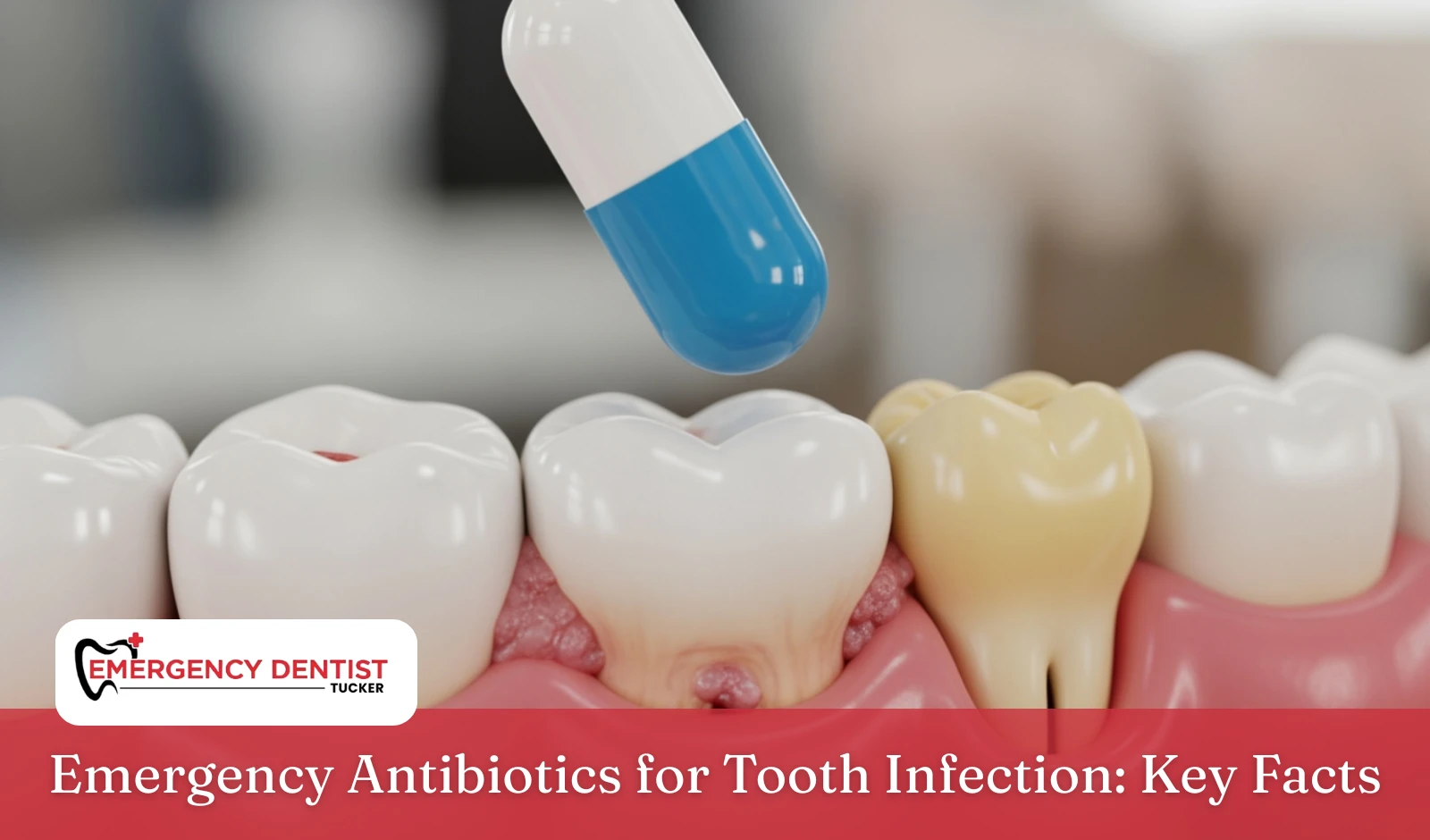
A dentist or qualified healthcare professional may prescribe antibiotics when a bacterial infection has spread beyond the affected tooth or is causing symptoms such as fever, increasing swelling, or feeling unwell. Antibiotics for a tooth infection can help control certain bacteria, but dental treatment may still be needed to treat the source of the infection.
Key Takeaways
- Antibiotics are not typically prescribed for every tooth infection.
- Increasing pain and swelling, fever, or feeling unwell may suggest the infection is spreading.
- Antibiotics can help control bacteria but cannot repair an infected tooth.
- A dental procedure may be needed to treat the source of the infection.
- Difficulty breathing or swallowing requires immediate medical attention.
A tooth infection may begin with mild sensitivity or discomfort and become more noticeable over time. You may develop throbbing pain, swollen gums, tenderness when chewing, or drainage around the affected tooth. If the condition worsens, you may start to feel unwell.
These symptoms may lead you to search for emergency antibiotics for tooth infection. While antibiotics can be useful for certain infections, they do not correct the dental problem that allows bacteria to enter the tooth. Professional dental care can help identify the cause and determine what treatment is appropriate.
What Causes a Tooth Infection?
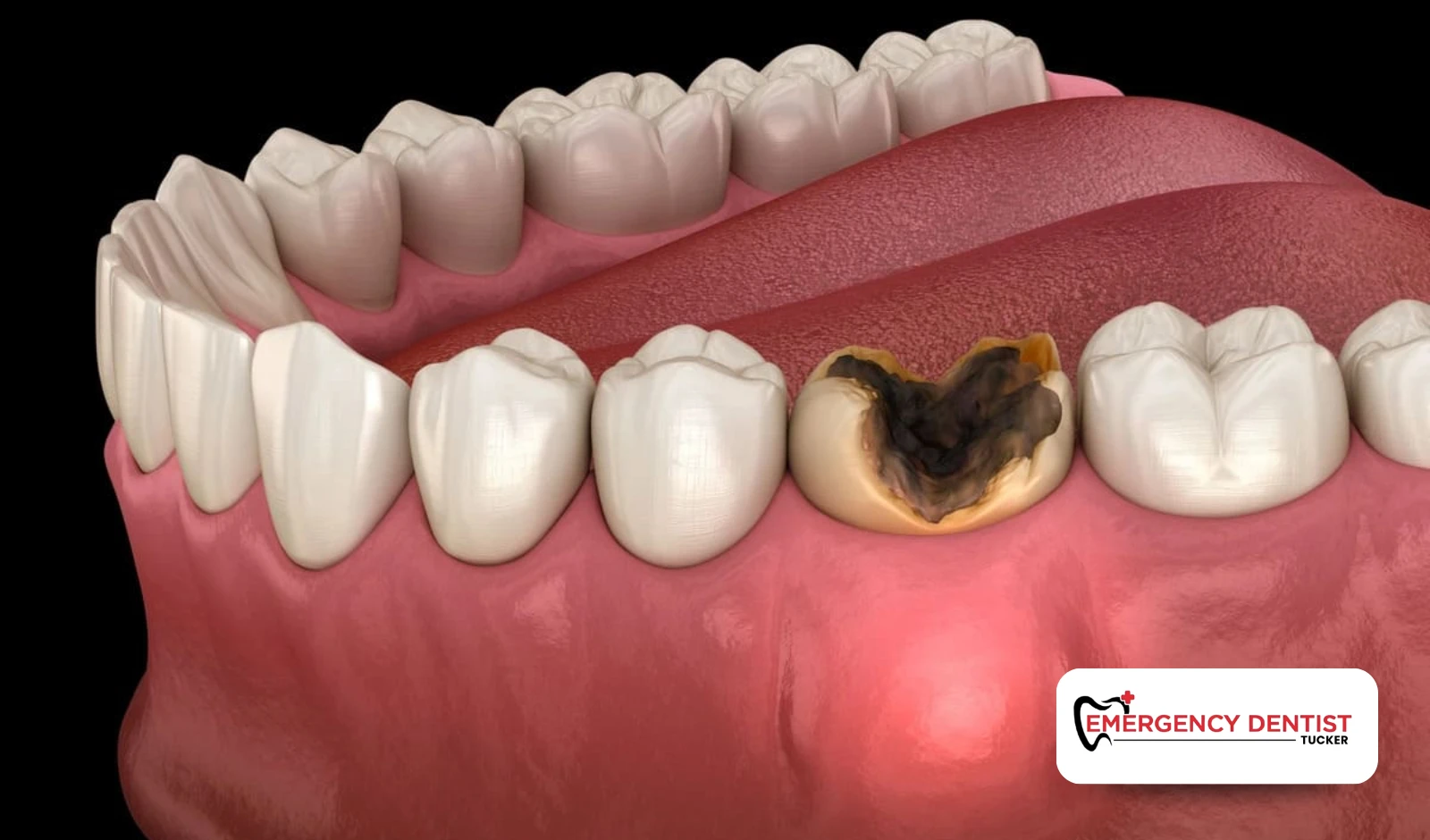
An infection may develop when bacteria enter a tooth through decay, a crack, an injury, or damaged dental work. Once bacteria reach the inner tissue, inflammation and infection can occur.
An infected tooth may cause ongoing pain, sensitivity, gum tenderness, swelling, drainage, or discomfort when biting. The infection may also affect the surrounding tissues.
Sometimes, a dental abscess develops near the tooth or gum. An abscess is a pocket of pus caused by infection. It may cause pressure, swelling, tenderness, drainage, or a bad taste in the mouth.
Because other dental problems can cause similar symptoms, an examination may be necessary to find the source.
When Are Antibiotics Recommended for Dental Infections?
Antibiotics are not automatically needed whenever a tooth becomes painful. Many infections require a treatment that directly addresses the affected tooth.
A dentist may consider antibiotics when an infection has spread beyond the tooth or when symptoms such as fever, increasing swelling, or feeling generally unwell are present.
Several common antibiotics may be used for dental infections. However, the appropriate medication depends on factors such as your symptoms, medical history, allergies, and clinical findings. A qualified healthcare professional can determine whether antibiotics are needed.
How to Get Emergency Antibiotics for Tooth Infection
If you are wondering how to get emergency antibiotics for tooth infection, contact a dentist or appropriate healthcare professional for an evaluation. Avoid taking leftover antibiotics or medication that was prescribed to someone else.
During an emergency dental visit, the dentist can examine the affected tooth and gums, ask about your symptoms, and take X-rays when necessary. This information can help determine whether antibiotics are appropriate and whether additional treatment is needed.
If antibiotics are prescribed, take them exactly as directed by your healthcare professional.
What Are Signs That the Infection Is Spreading?
Without proper treatment, an infection can spread from the tooth into areas around the jaw, face, or neck.
Increasing facial swelling, fever, or feeling increasingly unwell may indicate that prompt care is needed. Even if tooth pain decreases, the infection may still be present.
Seek immediate medical attention if swelling affects your airway or you develop difficulty breathing or swallowing. These symptoms should not wait for a routine dental appointment.
What Treatment May Be Needed for an Infected Tooth?

Treatment depends on what caused the infection, how much damage is present, and whether the tooth can be saved.
If infection has reached the tissue inside a tooth that can still be restored, root canal treatment may be recommended. The infected tissue is removed, and the inside of the tooth is cleaned and sealed.
A dental abscess may need drainage. If the tooth is too damaged to restore, tooth extraction may be necessary. Your dentist can recommend the appropriate dental procedure after examining the affected area.
Can I Manage Pain While Waiting for Dental Care?
Over-the-counter pain medicine may temporarily help with discomfort if it is safe for you to take. Follow the label directions and do not take more than recommended.
Pain relief does not treat the infection itself. If pain and swelling worsen, you develop fever, or you begin feeling unwell, seek professional care.
Final Thoughts
Antibiotics can help control certain bacterial infections, but they do not repair the tooth or remove the cause of the infection. Depending on the condition, treatment may include a root canal, abscess drainage, tooth extraction, or another procedure.
Having your symptoms evaluated can help determine whether medication, treatment for the tooth, or both are needed. Worsening swelling, fever, or changes in how you feel should be taken seriously.
Tooth Infection Causing Concern? Have It Checked
If tooth pain, swelling, drainage, or tenderness is becoming difficult to ignore, Emergency Dentist Tucker can evaluate the affected tooth and nearby tissues. After identifying the possible cause, the dentist can discuss treatment options based on your individual needs.
Call (470) 866-6095 or request an appointment online to arrange an emergency dental evaluation in Tucker.
Frequently Asked Questions
My toothache is making my cheek feel sore. Could the infection be spreading?
It is possible. A dental infection can affect tissues near the tooth and may cause tenderness or swelling in the surrounding area. New or increasing facial swelling should be evaluated promptly, especially if you also have fever or feel unwell.
Can I take antibiotics I already have at home for my tooth infection?
You should not use leftover antibiotics unless a healthcare professional specifically tells you to do so. The medication, dose, and length of treatment need to be appropriate for your condition.
Why is my tooth still painful after I started antibiotics?
Antibiotics may help control certain bacterial infections, but they do not repair decay or remove infected tissue from inside the tooth. Continued pain may mean the underlying dental problem still requires treatment.
Can a tooth abscess come back after it drains?
Yes. Drainage may reduce pressure and discomfort, but the source of the infection can remain. A dentist should evaluate the tooth to determine whether further treatment is necessary.
Should I worry if swelling from my tooth reaches my face?
Facial swelling associated with a tooth infection should be evaluated promptly, especially if it is increasing or you develop fever or feel unwell. If swelling affects your airway or you have difficulty breathing or swallowing, seek immediate medical attention.