
Can Sinus Pressure Cause Tooth Pain in the Upper Molars?
Quick Answer
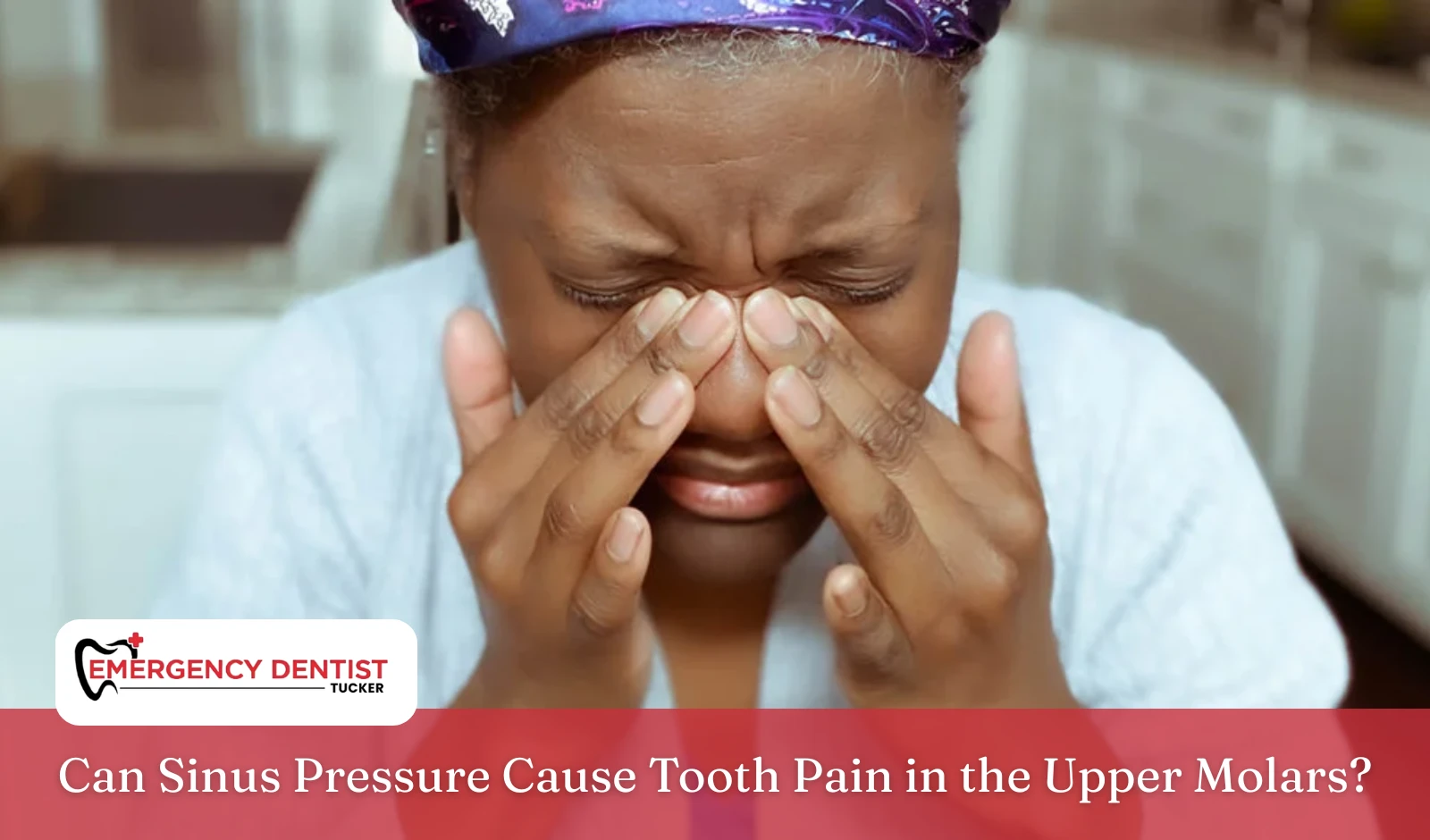
Can sinus pressure cause tooth pain?
Yes. Swelling and congestion inside the sinuses may create pressure on nearby nerves and teeth, causing discomfort that feels similar to a toothache. This type of pain often affects the upper molars and other upper back teeth because they sit close to the sinus area.
Key Takeaways
- Sinus congestion may sometimes cause discomfort in several upper teeth.
- The roots of the upper teeth are located near the sinus cavities.
- Facial pressure and tooth discomfort may occur at the same time.
- A dental infection, gum disease, or another dental problem may cause similar symptoms.
- A dental evaluation may help determine the true cause of discomfort.
Many people assume a toothache always means there is damage inside a tooth. However, discomfort can sometimes begin in the sinuses instead. Because the teeth and sinuses are closely connected, inflammation in one area may affect nearby nerves and tissues.
This often leads patients to ask, can sinus infection cause tooth pain when symptoms develop during a cold, allergies, or another sinus condition. Understanding how these structures work together may help explain why symptoms occur and when professional care may be necessary.
Why the Sinuses Can Affect Your Teeth

The sinus cavities are hollow spaces located behind the forehead, cheeks, and nose. The largest sinus chambers are positioned above the upper jaw.
The roots of the upper teeth sit very close to these spaces. In some individuals, the roots are extremely close to the maxillary sinuses. Because of this, the upper molars and upper back teeth are often the teeth most affected when sinus swelling occurs.
When inflammation develops inside the sinuses, nearby nerves may become irritated. This irritation may spread into the teeth and create sensations that resemble a toothache.
As a result, some people experience dental pain even when there is no visible damage to the teeth.
How Sinus Problems May Lead to Tooth Discomfort
A sinus infection may develop after a cold, allergies, or irritation inside the nasal passage. As swelling increases, mucus may collect inside the sinuses and create additional pressure in your sinuses.
This pressure may contribute to:
- Aching across several teeth
- Tenderness around the cheeks
- Jaw soreness
- Increased discomfort when bending forward
- Mild sinus pain around the face
Many people search online asking, can sinus cause tooth pain, especially when several teeth begin hurting at once.
Unlike many dental conditions that affect one tooth, a sinus related tooth problem may affect several teeth throughout the upper jaw.
Common Symptoms of Sinus-Related Tooth Pain
A sinus condition can sometimes feel almost identical to a dental issue, making it difficult to identify the source of discomfort.
Common symptoms may include:
- Nasal congestion
- Thick nasal drainage
- Headaches
- Facial pressure
- Tenderness around the cheeks
- Pain affecting multiple upper teeth
Many patients notice symptoms become worse while lying down or leaning forward. These positions may increase sinus pressure and make discomfort more noticeable.
When the Cause May Be a Dental Concern
Although sinus congestion may affect the teeth, a true dental condition may create many of the same symptoms.
Common causes of ongoing discomfort include:
- Tooth decay
- Cracked teeth
- Tooth abscesses
- Exposed tooth roots
- Gum disease
- A serious dental infection
These conditions often produce symptoms that differ from sinus-related discomfort.
A possible dental issue may cause:
- Sharp pain in one tooth
- Swollen gums
- Sensitivity to hot or cold foods
- Pain while chewing
- A bad taste in the mouth
If symptoms continue after congestion improves, the source may be related to oral health rather than the sinuses.
When to Schedule a Dental Evaluation
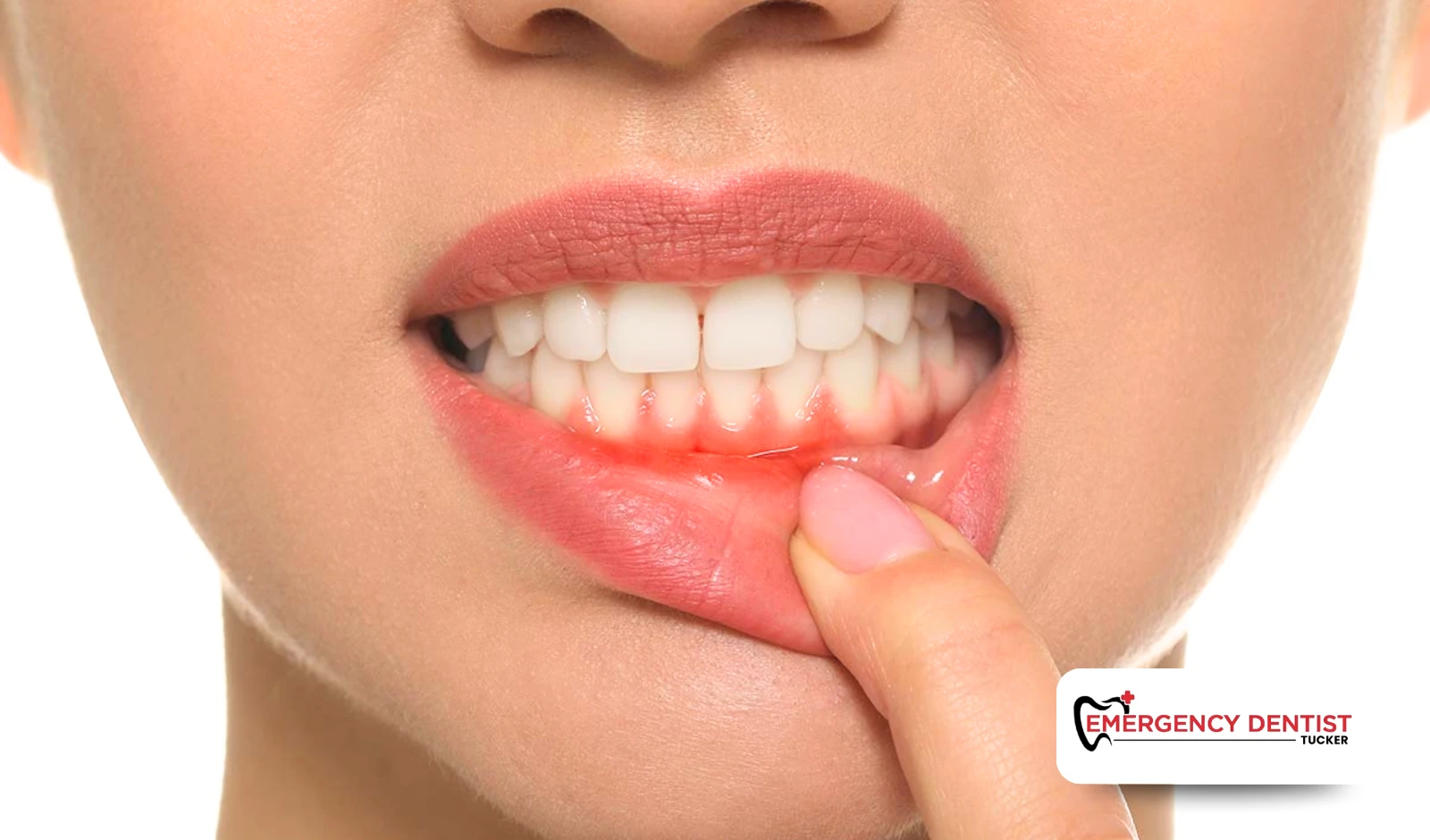
It may be difficult to determine whether symptoms are caused by a sinus condition or a dental concern. A dental evaluation may help identify the source of discomfort.
Consider scheduling a visit if you experience:
- Persistent tooth discomfort
- Severe sensitivity
- Swelling around the gums or face
- Difficulty chewing
- Fever
- Symptoms lasting several days
Prompt care may help prevent complications and protect long-term oral health.
Final Thoughts
Sinus infections may sometimes create pressure that affects nearby nerves and teeth. Because the upper teeth are located near the sinus area, inflammation may create discomfort that feels similar to a toothache. While symptoms often improve after relieving sinus congestion, persistent pain should always be evaluated to rule out a more serious condition.
Tooth Pain, Congestion, and Pressure? Find the Cause
When tooth discomfort develops alongside congestion and sinus symptoms, it can be difficult to know what is causing the problem. The team at Emergency Dentist Tucker can evaluate your symptoms, identify potential dental concerns, and help determine whether your discomfort is related to sinus pressure or a dental condition.
Getting answers early may help prevent more serious complications. Schedule an evaluation today and take the next step toward lasting relief and better oral health.
Frequently Asked Questions
Can sinus pressure cause tooth pain?
Yes. Swelling inside the sinuses may place pressure on nearby nerves and create discomfort in multiple upper teeth.
What can help while relieving sinus pressure?
Rest, hydration, and treatment recommendations from your healthcare provider may help reduce congestion and improve comfort.
Can a nasal spray help?
A nasal spray may temporarily improve airflow and reduce congestion. However, ongoing tooth discomfort should still be evaluated to rule out a dental infection or other dental concern.