
Will a Dentist Do a Root Canal the Same Day? Here's How
Quick Answer
Will a dentist do a root canal the same day?
Often, yes. If you have severe tooth pain, swelling, or another sign of an infected tooth, your dentist may be able to begin same-day root canal treatment during your first appointment. After examining the affected tooth and reviewing X-rays, your dentist will recommend the most appropriate treatment plan for your condition.
Key Takeaways
- Many patients may be candidates for same-day root canal treatment.
- A dental examination and X-rays help determine the best treatment plan.
- Root canal therapy removes infected tissue while preserving the natural tooth.
- Local anesthesia helps keep patients comfortable.
- Prompt dental care may help with relieving pain and preventing further damage.
- A temporary crown or permanent dental crown may be recommended after treatment.
A sudden toothache can interrupt your entire day. Simple activities like eating, speaking, drinking, or sleeping may become difficult when the inside of a tooth becomes infected. If you’ve searched online for “will a dentist do a root canal the same day,” you’re probably looking for quick answers and fast relief.
The good news is that many patients can begin treatment during their first visit. After evaluating your symptoms, examining the tooth, and reviewing digital X-rays, your dentist will determine whether immediate care is appropriate. Receiving prompt dental care may reduce discomfort, limit the spread of infection, and improve the chances of saving your natural tooth.
Understanding Root Canals
Having an understanding of root canals can help explain why prompt treatment is often recommended.
Inside every tooth is a soft tissue known as the dental pulp. This tissue contains nerves, blood vessels, and connective tissue that help the tooth develop. Deep decay, cracks, injuries, or previous dental procedures can allow bacteria to enter the pulp, causing the tissue to become infected.
An infected tooth usually does not improve without professional treatment. If left untreated, the infection may continue spreading and affect nearby tissues.
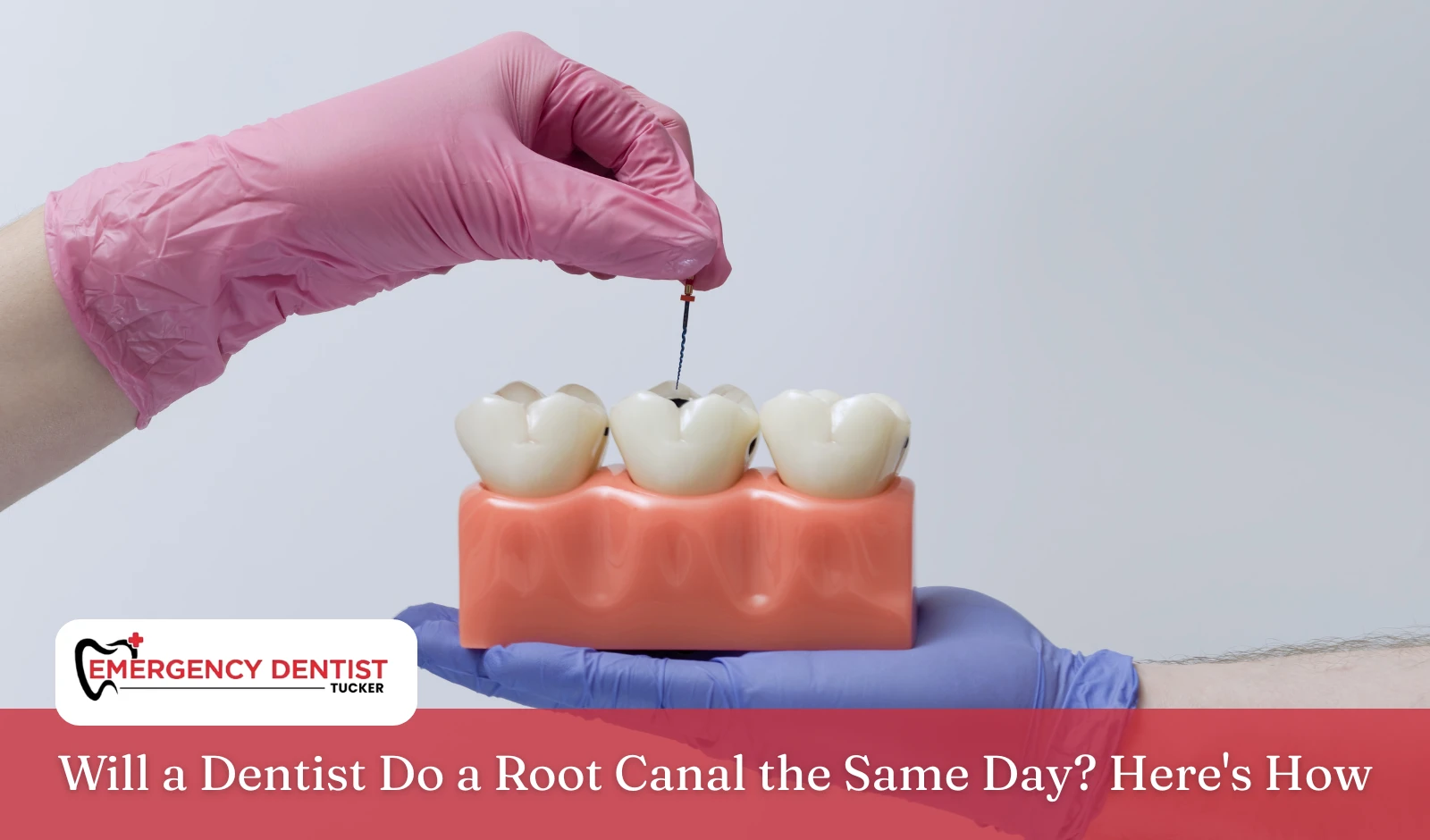
Instead of removing the tooth, dentists often recommend root canal therapy, which is a type of endodontic treatment designed to save the natural tooth whenever possible.
During treatment, the dentist removes the infected tissue, cleans and disinfects the root canals, and seals the tooth to reduce the chance of future infection. Preserving the natural tooth helps maintain normal chewing, speech, appearance, and long-term oral health.
Do Dentists Do Same Day Root Canal Treatment?
Many patients also ask, “do dentists do same day root canal,” especially when severe tooth pain develops unexpectedly.
In many situations, the answer is yes.
Before recommending emergency root canal treatment, your dentist will complete a comprehensive examination and review digital X-rays. This evaluation helps determine whether the tooth is a good candidate for same-day root canal treatment.
Several factors are considered, including:
- The severity of the infection
- The condition of the affected tooth
- The complexity of the root canal system
- Your overall oral health
- Digital X-ray findings
- Appointment availability
After evaluating these findings, your dentist will recommend the most appropriate treatment plan.
If the tooth has complex root anatomy or requires specialized treatment, your dentist may recommend seeing an endodontist. However, many routine cases can begin day root canal treatment during the first visit.
Every patient’s situation is unique, and your dentist will recommend the treatment option that best supports your oral health needs.
What Happens During the Root Canal Procedure?
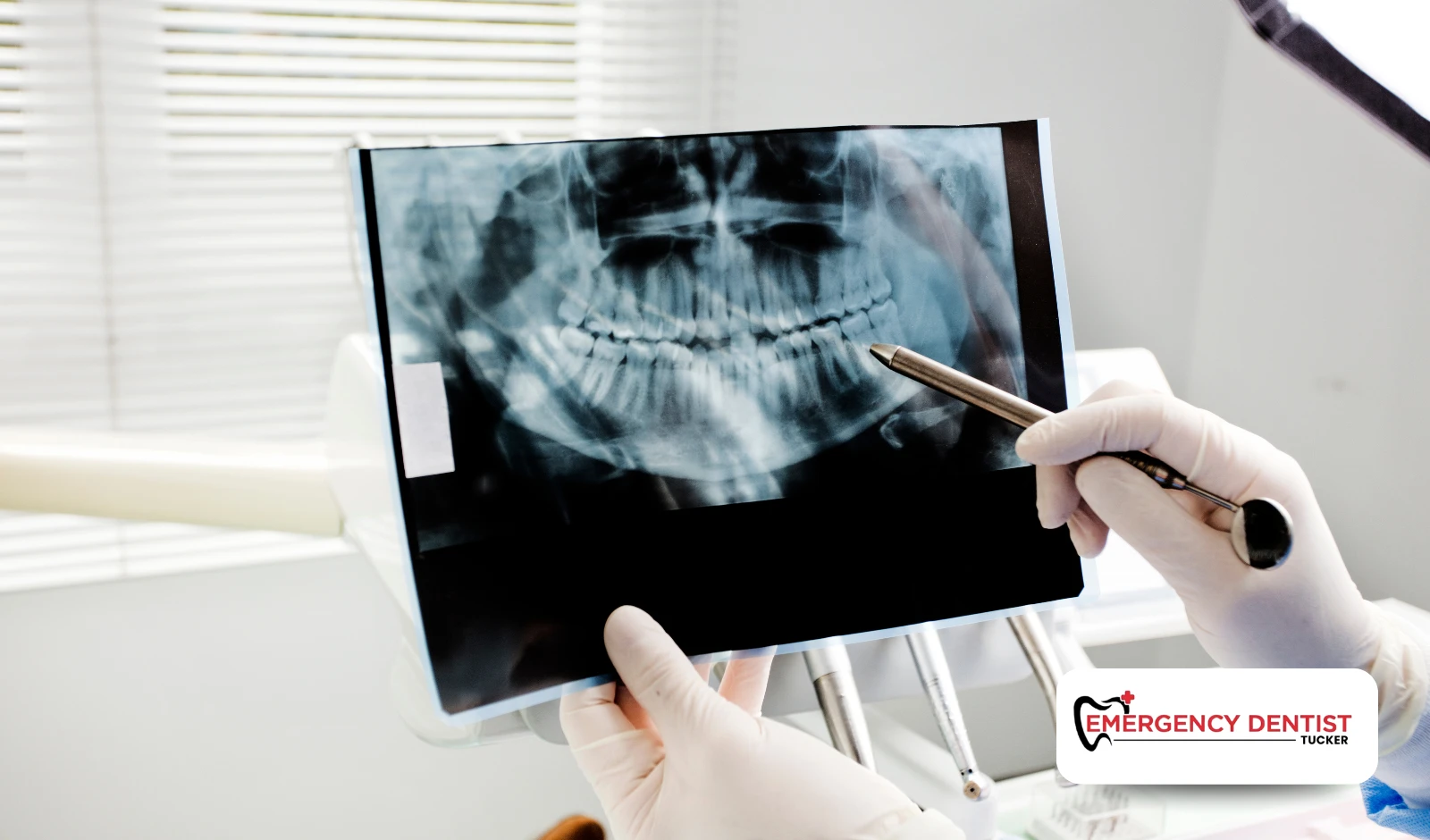
Although every patient’s situation is different, the root canal procedure generally follows several important steps. Before treatment begins, your dentist will explain each stage of the procedure and answer any questions you may have.
Examination and Diagnosis
Your visit begins with a thorough examination of your mouth and the painful tooth. Your dentist will discuss your symptoms, examine the tooth, and review digital X-rays to determine whether root canal therapy is the most appropriate treatment.
This evaluation identifies the source of the infection and helps your dentist develop a personalized treatment plan.
Local Anesthesia
Before treatment starts, local anesthesia is used to numb the tooth and the surrounding tissues.
Modern anesthetics help keep most patients comfortable throughout the procedure. While you may notice slight pressure or movement, significant discomfort is uncommon once the area has been fully numbed.
Removing the Infection
After the tooth is numb, your dentist creates a small opening to reach the inside of the tooth.
The dentist carefully removes the infected tissue, thoroughly cleans and disinfects the root canals, and seals them to help prevent another infection. This process is an important step in relieving pain, restoring the health of the tooth, and protecting nearby tissues.
Protecting the Tooth
Once treatment is complete, your dentist may place a temporary filling or a temporary crown.
Depending on the condition of the tooth, a permanent dental crown may be recommended during a follow-up visit. A crown helps strengthen the treated tooth and restore its function during normal chewing and biting.
Why Prompt Treatment Matters
An infected tooth generally will not heal without professional treatment.
As the infection progresses, symptoms may include:
- Persistent tooth pain
- Swelling around the gums or face
- Pain while chewing
- Sensitivity to hot or cold foods and drinks
- A bad taste in the mouth
- Tenderness around the affected tooth
Receiving prompt dental care may help with preventing further damage, reducing the spread of infection, and improving the chances of saving your natural tooth. Early treatment may also reduce the need for more extensive dental procedures later.
Recovery After Root Canal Therapy

An infected tooth generally will not heal without professional treatment.
As the infection progresses, symptoms may include:
- Persistent tooth pain
- Swelling around the gums or face
- Pain while chewing
- Sensitivity to hot or cold foods and drinks
- A bad taste in the mouth
- Tenderness around the affected tooth
Receiving prompt dental care may help with preventing further damage, reducing the spread of infection, and improving the chances of saving your natural tooth. Early treatment may also reduce the need for more extensive dental procedures later.
Final Thoughts
If you’ve been wondering whether a dentist can perform a root canal during your first appointment, the answer is often yes. After evaluating your symptoms, reviewing X-rays, and examining the affected tooth, your dentist will determine whether immediate treatment is the right option.
Receiving prompt care may help eliminate infection, relieve discomfort, and preserve your natural tooth. Early treatment also allows your dentist to manage the problem before it becomes more difficult to treat.
Take the First Step Toward Relief
Persistent tooth pain should never be ignored. Scheduling an evaluation as soon as possible can help identify the cause of your symptoms and determine whether immediate treatment is appropriate.
At Emergency Dentist Tucker, we provide emergency dental evaluations for patients experiencing severe tooth pain, swelling, and other urgent dental concerns. Our team will clearly explain your diagnosis, discuss your treatment options, and help you make informed decisions about your care. If same-day root canal treatment is appropriate, we’ll work to begin treatment as quickly as possible while keeping your comfort our priority.
Frequently Asked Questions
Can everyone receive same-day root canal treatment?
Not always. Your dentist will evaluate your tooth, review your X-rays, and determine whether immediate treatment is appropriate for your individual condition.
Is a root canal painful?
Most patients experience minimal discomfort because local anesthesia is used to numb the treatment area before the procedure begins.
How long does a same-day root canal usually take?
Many routine root canal procedures take approximately 60 to 90 minutes. More complex teeth may require additional treatment time.
Will I need a dental crown after treatment?
Many treated teeth benefit from a permanent dental crown because it helps strengthen and protect the tooth after treatment.
Can I return to my regular activities afterward?
Many patients return to work or resume their usual activities shortly after treatment. Your dentist will provide personalized aftercare instructions based on your recovery.
When should I see a dentist for severe tooth pain?
If you have persistent or severe tooth pain, swelling, or other signs of infection, contact a dentist promptly. Early evaluation may help prevent the condition from becoming more serious.