
Helpful Relief: What Can You Do for Tooth Pain?
Quick Answer
What can you do for tooth pain before seeing a dentist?
Some home remedies may help provide temporary pain relief before a dental appointment. Patients often rinse your mouth gently, use cold compresses, avoid foods that increase sensitivity, and try natural remedies to lower discomfort. However, severe swelling, ongoing dental pain, or signs of infection should still be checked by a dentist.
Key Takeaways
- Tooth pain may happen because of tooth decay, infections, or gum disease
- Cold compresses may help reduce inflammation for a short time
- A pain reliever may help lower discomfort temporarily
- Natural remedies may help soothe irritated tissues for a short time
- Home remedies only provide temporary relief
- Ongoing discomfort should be evaluated by a dentist
Tooth pain can quickly affect daily comfort. Some people notice sharp soreness while chewing, while others feel throbbing pressure around the jaw, gums, or affected tooth. Even mild irritation inside the mouth may become worse if treatment is delayed.
Because symptoms may appear unexpectedly, many people search online asking, “what can you do for tooth pain” or “what can I do for tooth pain at home?” Although home remedies may help lower discomfort for a short time, they do not treat deeper dental problems such as infections or tooth decay.
Knowing how to care for the mouth while waiting for treatment may help reduce irritation and support better oral health.
Common Causes of Tooth Pain
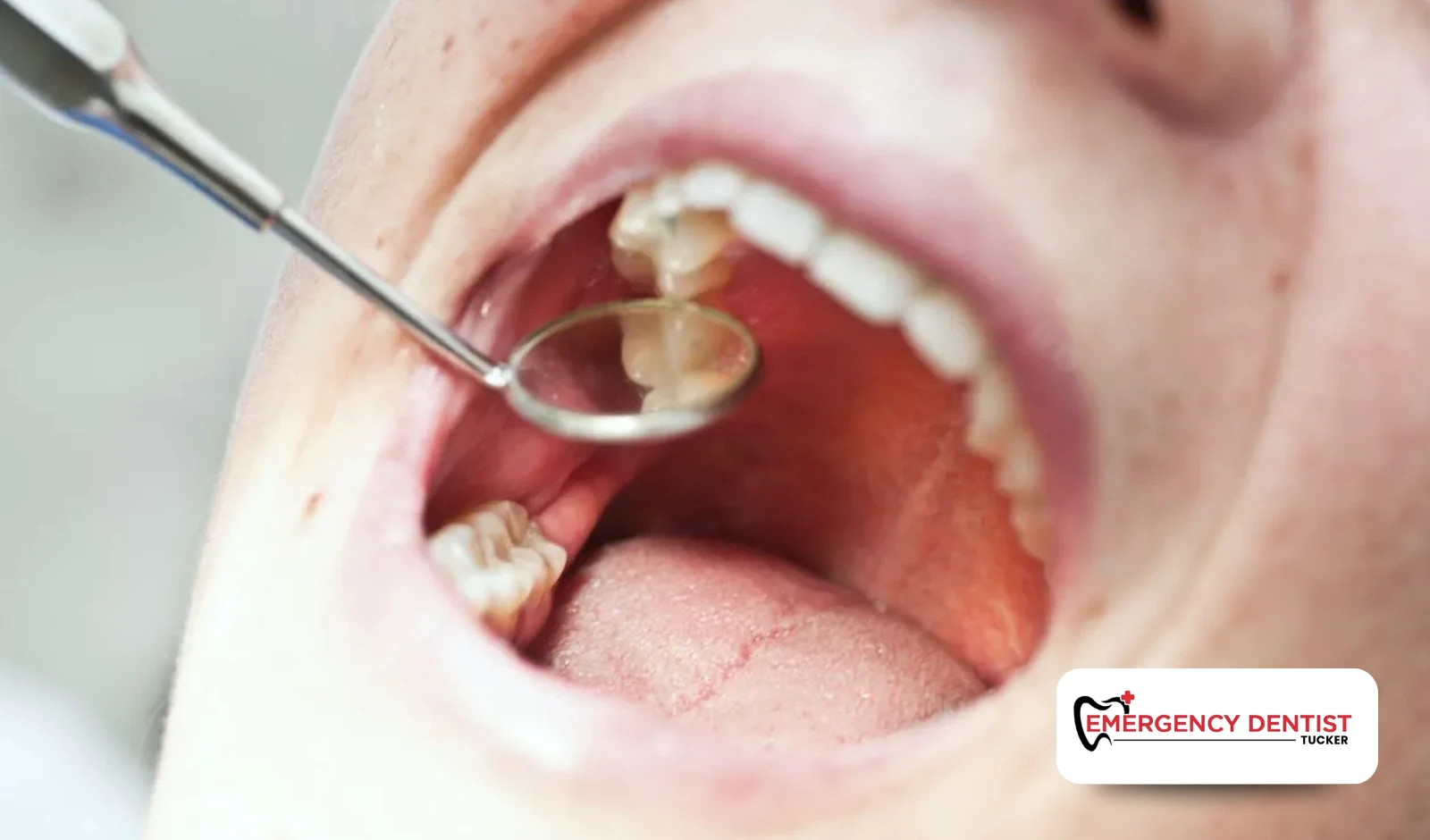
Several dental problems may lead to discomfort inside the mouth. Tooth decay, cracked teeth, damaged fillings, infections, and gum disease are among the most common causes of dental pain. Some people also develop soreness from wisdom teeth or swollen gums.
Symptoms may begin with mild sensitivity and slowly worsen over time. Patients may notice discomfort while chewing, brushing, or drinking cold beverages.
If bacteria spread deeper into the tooth, pain and inflammation may increase quickly. Ignoring symptoms may allow infection to spread into nearby tissues or gums.
That is why ongoing discomfort should never be ignored.
Rinse Your Mouth Carefully
One simple step many patients try first is to rinse your mouth gently after meals. This may help remove bacteria and food particles from the affected area.
Many people also use warm water mixed with salt because it may help soothe irritated tissues for a short time. Gentle rinsing may help reduce irritation while helping keep the mouth cleaner.
Patients should avoid aggressive swishing because it may increase soreness around sensitive tissues.
Some people also find that drinking warm water during the day helps keep the mouth comfortable and prevents dryness that may worsen irritation.
Although rinsing may help temporarily, it does not replace professional dental care.
Cold Compresses May Help Reduce Inflammation
Cold compresses are commonly used to help reduce inflammation around the jaw, gums, or cheek. Cold temperatures may temporarily numb discomfort while helping reduce swelling.
Wrap a cold pack in a towel before placing it against the outside of the face. Most dentists recommend using cold compresses for about 20 minutes at a time before taking a short break.
This method may help provide temporary pain relief after sudden swelling, irritation, or dental injuries.
Ice should never be placed directly onto the skin because it may increase irritation.
Avoid Foods That Increase Sensitivity
Certain foods and drinks may worsen irritation around the affected tooth. Very cold foods, sugary snacks, sticky candy, and crunchy foods may increase discomfort inside the mouth.
Soft foods are often easier to tolerate while the mouth feels sensitive. Patients should also avoid chewing on the painful side whenever possible to lower pressure around the affected area.
Sugary foods may worsen irritation when gum disease or tooth decay is already present.
Choosing softer foods and drinking water regularly may help the mouth feel more comfortable until treatment becomes available.
Natural Remedies Some Patients Try
Many people search online for natural remedies when tooth pain begins unexpectedly. While these methods may not cure infections or tooth decay, some patients find them soothing for a short time.
A cooled peppermint tea bag may help calm irritated gums for a short time. Some people place peppermint tea bags gently against the sore area for several minutes.
Others apply a small amount of vanilla extract or clove oil near the painful tooth because these ingredients may help soothe irritation temporarily.
In some situations, patients place a cotton ball gently near the affected tooth after using certain toothache remedies. However, harsh substances should never be placed directly onto the gums because they may increase irritation.
These remedies may provide short-term relief, but they do not fix the underlying dental problem.
Pain Reliever Options
A nonprescription pain reliever may sometimes help lower discomfort while waiting for a dental appointment. Patients should always follow package instructions carefully and avoid taking more medication than recommended.
Pain relievers may help lower swelling and discomfort for a short time. However, they cannot repair infections, cracked teeth, or damaged fillings.
If discomfort spreads into the jaw or face, professional dental care may be necessary quickly.
Patients should also avoid placing aspirin directly onto the gums because this may irritate soft tissues.
Signs You Should Contact a Dentist

Some symptoms may point to a more serious dental problem that should not wait. Patients should contact a dentist if they notice:
- Severe swelling around the gums or face
- Fever or bad taste in the mouth
- Bleeding gums
- Severe throbbing discomfort
- Trouble chewing or opening the mouth
- Pain lasting several days
- Pus near the affected tooth
These symptoms may suggest infection or deeper damage that requires professional treatment.
Seeking dental care early may help prevent complications from becoming more serious.
Professional Dental Care Matters
Home remedies may help provide temporary pain relief, but they do not repair the real dental problem. A dentist can examine the mouth, identify the cause of the discomfort, and recommend the right treatment.
Depending on the condition, treatment may include fillings, infection treatment, deep cleanings, or root canal therapy. Early dental care may help protect the affected tooth and prevent worsening pain and inflammation.
Delaying treatment may allow damage to spread deeper into the gums, nerves, or nearby tissues.
Final Thoughts
Tooth pain can affect eating, sleeping, speaking, and everyday comfort. While home remedies and natural remedies may help provide temporary relief, they do not fix the underlying dental problem. Seeking professional dental care early may help reduce pain, protect oral health, and prevent worsening inflammation or damage around the affected tooth and gums.
Fast Dental Care May Help Prevent Bigger Problems
Dental discomfort may seem small at first, but symptoms can worsen quickly if treatment is delayed. Early dental care may help lower discomfort, protect oral health, and prevent additional damage to the teeth and gums.
Our Emergency Dentist in Tucker provides prompt care for toothaches, swelling, infections, cracked teeth, and other urgent dental concerns. Prompt treatment may help relieve discomfort while protecting long-term oral health.
Frequently Asked Questions
Can warm water help calm tooth pain?
Yes. Warm water may help soothe irritated tissues and keep the mouth more comfortable for a short time. Some people also use warm water to rinse away food particles near the affected area.
Can clove oil help with dental pain?
Some people use a small amount of clove oil because it may temporarily calm soreness near the affected tooth. However, clove oil does not fix the underlying dental problem causing the discomfort.
Do home remedies actually fix tooth pain?
No. Home remedies may provide temporary relief, but they do not repair infections, tooth decay, or damaged teeth. Professional dental care may still be needed.