
Wisdom Tooth Extraction:
What to Expect During Healing
Quick Answer
How long does it take to recover after wisdom teeth extraction?
Most patients begin feeling better within a few days. The first 24 hours are especially important because a blood clot forms inside the extraction sites. This clot protects the area and helps promote healing from the start.
Key Takeaways
- Wisdom tooth extraction is a common oral surgery procedure.
- Protecting the blood clot lowers the risk of complications.
- Using an ice pack can help reduce swelling early on.
- Soft foods like mashed potatoes protect the surgical site.
- Following the dos and don ts after surgery supports recovery.
- Contact an Emergency Dentist in Tucker if symptoms worsen.
If your dentist or oral surgeon has recommended wisdom tooth removal, it is normal to have questions. Many people wonder how long recovery will take and what they can eat after wisdom teeth are removed.
The good news is that wisdom teeth extraction is one of the most routine types of tooth extraction. With proper aftercare, most patients recover smoothly and return to their normal activities within a few days.
This guide explains why wisdom tooth extraction may be needed, what happens during oral surgery, how to care for extraction sites, and how to promote healing at home.
Why Wisdom Tooth Removal May Be Necessary
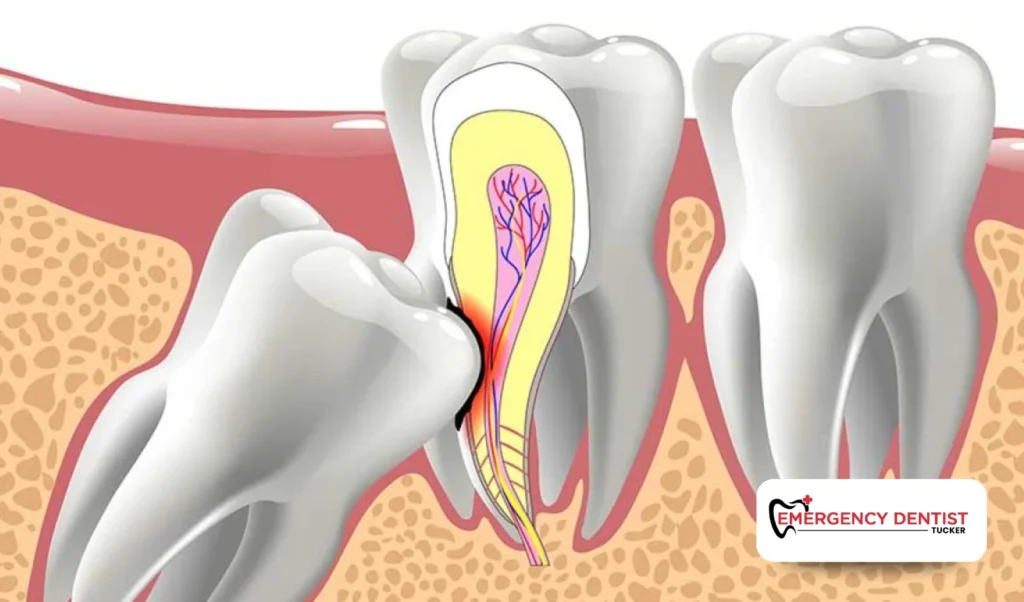
Wisdom teeth are the last molars to grow in, usually during the late teen years or early twenties. Some people have enough space in their mouth for these teeth, but many do not.
When there is not enough room, wisdom teeth can:
- Stay trapped under the gums
- Grow in sideways
- Push against nearby teeth
- Increase the risk of infection
In these situations, a dentist or oral surgeon may recommend wisdom tooth removal to protect nearby teeth and support long-term oral health.
What Happens During Wisdom Teeth Extraction?
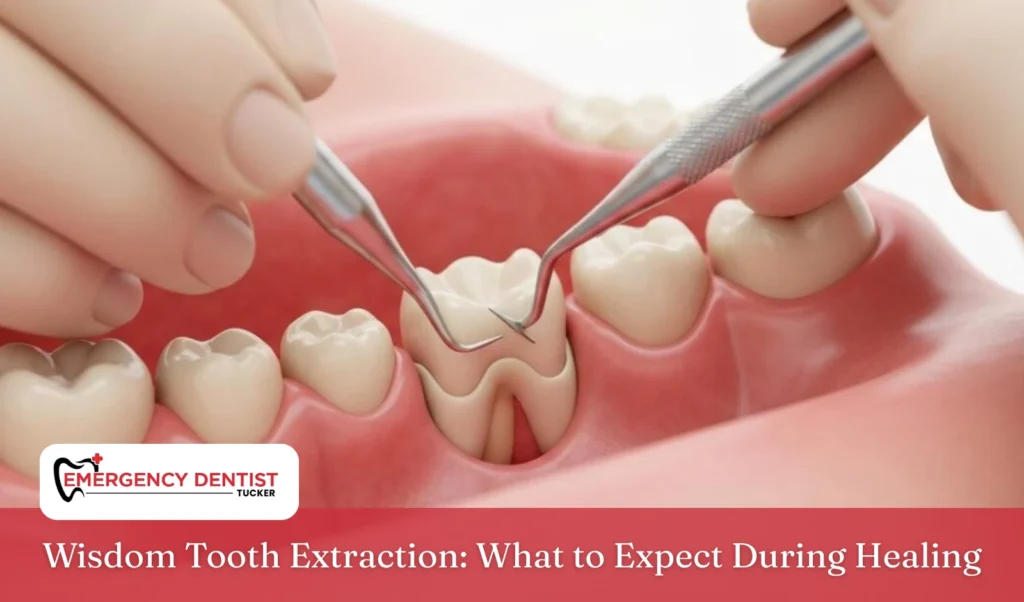
Before the tooth extraction begins, the area is numbed with local anesthesia. This helps keep you comfortable during oral surgery. You may feel pressure, but sharp pain is not expected.
During wisdom teeth extraction:
- The gum around the surgical site may be gently opened
- The tooth is carefully loosened
- The tooth is removed
- The area is cleaned
- Gauze is placed over the extraction sites
After the procedure, you will receive clear instructions to help protect the surgical site and promote healing.
Why the First 24 Hours Matter
The first 24 hours after wisdom tooth extraction are critical. During this time, your body forms a blood clot in each extraction site. The blood clot protects the bone and nerves underneath.
If that clot becomes dislodged, recovery can slow down. Protecting the clot is one of the most important parts of aftercare.
Following the dos and don’ts after surgery helps keep the extraction sites stable and supports the healing process.
Understanding Dos and Don'ts After Wisdom Tooth Extraction
Knowing the dos and don’ts after oral surgery can make recovery smoother.
What You Should Do
- Bite gently on gauze as directed
- Rest during the first 24 hours
- Use an ice pack on your cheek to reduce swelling
- Keep your head slightly elevated
- Take pain medication as prescribed
- Eat soft foods such as mashed potatoes
- Drink plenty of water
- Rinse gently with salt water starting the day after surgery
- Carefully brush your teeth, avoiding the surgical site
An ice pack can help reduce swelling during early recovery. Applying it in short intervals is usually helpful.
Salt water rinses can also keep the area clean while promoting healing.
What You Should Avoid
- Do not use straws
- Do not spit forcefully
- Do not smoke
- Do not disturb the extraction sites
- Do not eat hard or crunchy foods
These don’ts protect the blood clot and help prevent unnecessary irritation to the surgical site.
What to Expect During the Healing Process
Healing after wisdom tooth removal happens in stages. Every patient heals at a slightly different pace, but most notice steady improvement.
- Swelling: Mild swelling is common after oral surgery. It may increase slightly before it begins to decrease. Using an ice pack during the first day can help reduce swelling.
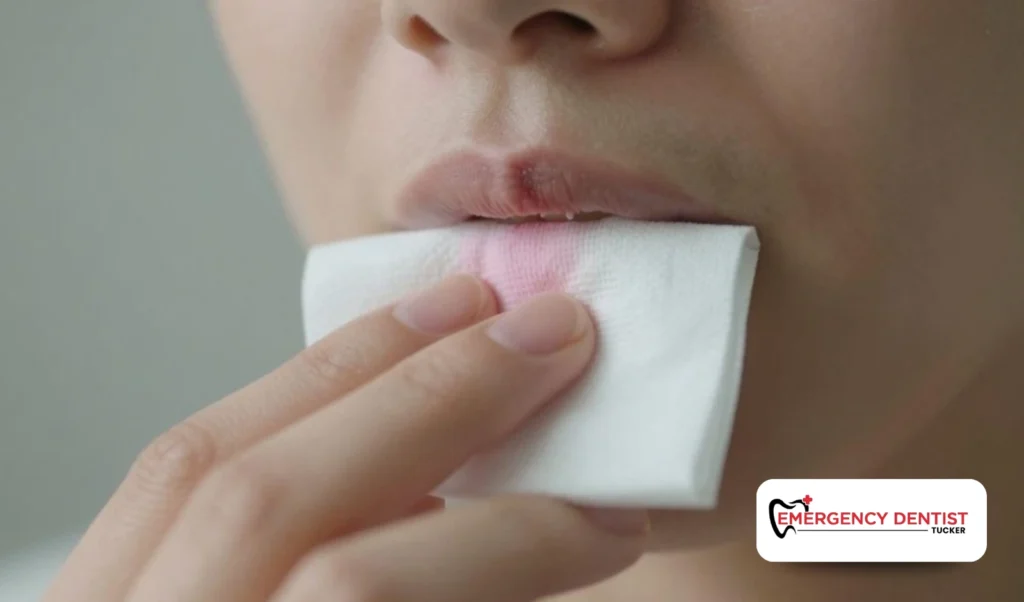
- Light Bleeding: Some light bleeding or pink saliva during the first day is normal. Gentle pressure with gauze usually controls it.
- Tenderness: The surgical site may feel sore for several days. This is part of the natural healing process.
- Tissue Repair: Within a few days, many patients feel much better. Over time, the gums close over the extraction sites and healing continues below the surface.
What to Eat After Wisdom Teeth Removal
Choosing the right foods protects the surgical site and helps you heal comfortably.
Soft foods are best during early recovery. Good choices include:
- Mashed potatoes
- Yogurt
- Scrambled eggs
- Applesauce
- Smooth soups
When deciding what to eat after wisdom teeth removal, focus on foods that are easy to chew and not too hot.
Avoid crunchy snacks, spicy meals, or anything that could irritate the extraction sites.
Gradually return to normal eating as your dentist or oral surgeon recommends.
Keeping the Area Clean
Maintaining good oral health during recovery is important.
You can brush your teeth the same day as surgery, but avoid brushing directly over the surgical site. Starting the next day, gently rinse with salt water to help keep the area clean.
These simple steps help promote healing and reduce the risk of infection.
Supporting Your Recovery at Home
A few simple habits can make recovery easier:
- Rest and avoid heavy exercise
- Use an ice pack during early swelling
- Follow instructions from your dentist or oral surgeon
- Take pain medication as directed
- Eat soft foods during early healing
By following these steps, you protect the extraction sites and allow your body to recover properly.
When to Seek Help
Most patients recover without problems. However, contact an Emergency Dentist in Tucker if you notice:
- Bleeding that does not slow down
- Swelling that worsens instead of improves
- Fever
- Severe pain several days after oral surgery
It is always better to ask questions if something does not feel right.
Final Thoughts
Recovering from wisdom tooth extraction does not have to feel overwhelming. By protecting the blood clot, following the dos and don’ts, eating soft foods, and keeping the surgical site clean, you give your body the best chance to heal properly. Most discomfort improves within a few days, and steady care during the first 24 hours makes a big difference. If anything feels unusual or painful, reaching out to your dentist or oral surgeon early can help prevent complications and keep your recovery on track.
Take Charge of Your Healing Today
If you have concerns about your extraction sites or feel unsure about your recovery, do not wait for symptoms to get worse.
The caring team at Emergency Dentist in Tucker is here to support you after wisdom tooth extraction. Whether you need reassurance or additional care, professional guidance can make a difference.
Call today to schedule an evaluation and protect your oral health with confidence.
Frequently Asked Questions
How long should I use an ice pack after oral surgery?
Ice packs are most helpful during the first 24 hours. They help reduce swelling and improve comfort.
When can I eat normally again?
Most people return to regular foods within about a week. Start with soft foods like mashed potatoes and gradually reintroduce firmer foods.
Can I brush my teeth after wisdom tooth extraction?
Yes, but avoid brushing directly over the surgical site for several days. Keeping the rest of your mouth clean supports oral health and healing.
Is it normal to feel slight pressure near nearby teeth after wisdom tooth removal?
Yes, mild pressure around nearby teeth can happen after oral surgery. This usually improves as swelling goes down and the healing process continues.