
When Can You Eat After a Tooth Extraction Comfortably?
Quick Answer
How long after a tooth extraction can I eat?
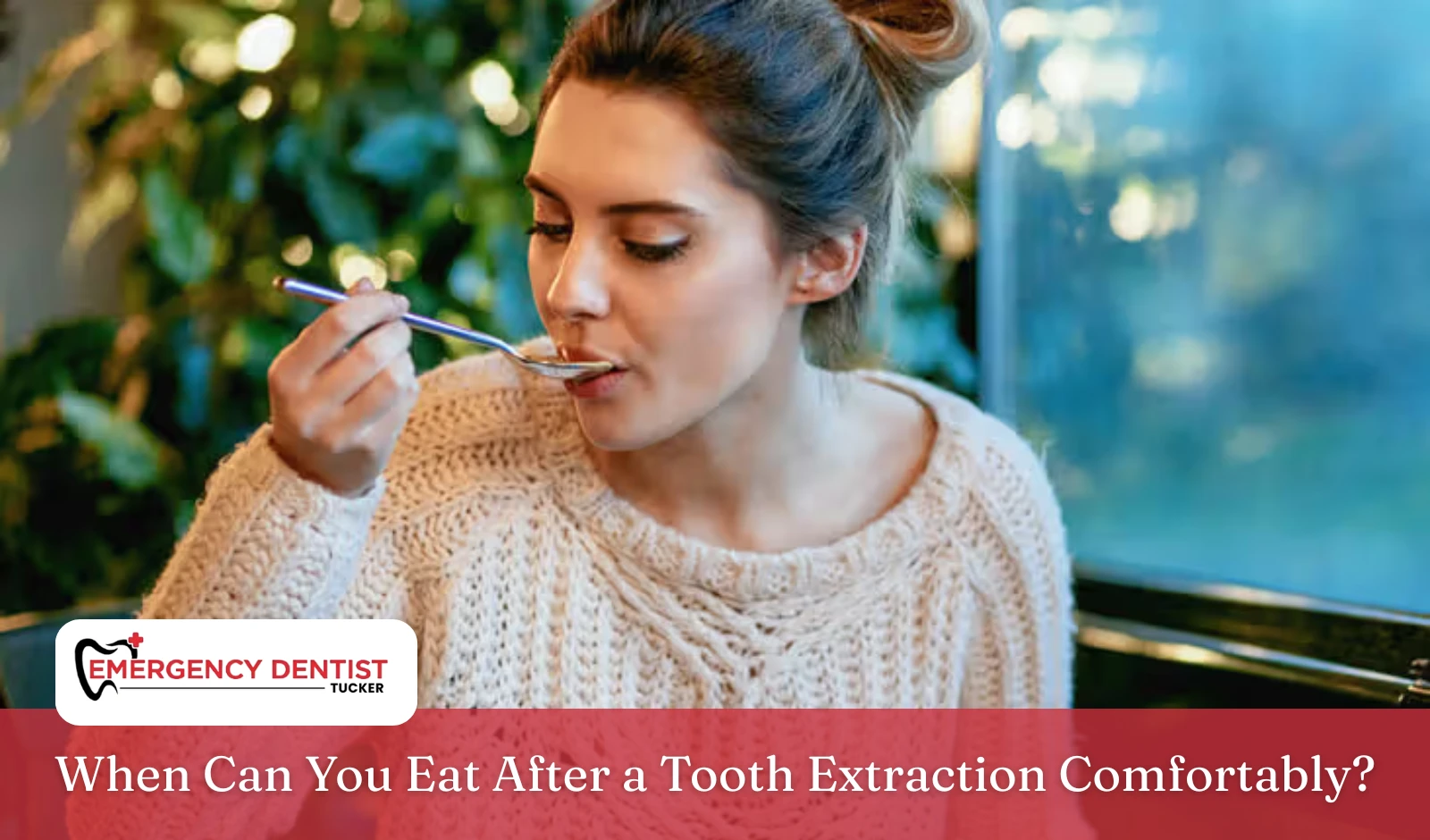
You can eat after a tooth extraction within a few hours by starting with liquids and very soft foods. As the healing process improves, most patients can slowly add more texture after 24 to 48 hours.
Key Takeaways
- Start with liquids and very soft foods
- Protect the clot to avoid complications
- Add soft meals before harder foods
- Avoid anything that may irritate healing
- Follow simple dental care steps daily
Once your tooth is removed, your body begins the healing process immediately. A protective blood clot forms over the area, covering the sensitive tissue underneath. Many people ask how long after a tooth extraction can I eat because they want to get back to normal habits quickly.
This clot plays a key role in recovery. If you dislodge the blood clot too soon, it can lead to a painful condition called dry socket. Taking care during the post extraction phase helps you heal properly and avoid unnecessary discomfort.
What to Eat in the First 24 Hours

During the early stage, it is best to focus on liquids and very soft foods. These options are gentle and easy to manage. You can enjoy yogurt, mashed potatoes, scrambled eggs, or even a small portion of ice cream for comfort.
When eating, keep food on the side of your mouth away from the extraction site. Chewing on the opposite side helps reduce pressure and protect the area while it heals. Avoid using straws, as suction can disturb the clot.
When to Start Adding More Foods
As your mouth begins to feel better, you can slowly introduce foods with more texture. Many patients are able to eat after a tooth extraction with slightly firmer foods after a few days. However, it is still important to stick to soft foods before you try to eat solid foods.
Take your time and pay attention to how your mouth responds. If something feels uncomfortable, return to softer options. This approach supports a smoother healing process.
Foods to Avoid While Healing
There are several foods to avoid during recovery. Hard, sticky, or spicy foods may irritate the extraction site and delay healing. Avoiding hard crunchy foods is especially important because they can damage the sensitive area.
You should also avoid drinking alcohol in the early stages. It may interfere with healing and increase irritation. Keeping your meals simple helps your mouth heal properly.
Tips to Help You Heal Properly
Simple habits can make recovery easier. Continue gentle dental care, avoid touching the area, and follow your provider’s instructions closely.
It is best to stick to soft foods while your mouth heals. Resting and limiting physical activity can also support the healing process and reduce discomfort.
Final Thoughts
Healing after a tooth extraction takes time, but small steps can make a big difference. Eating carefully and following basic aftercare can help you avoid complications and recover more comfortably.
Having Trouble Healing? Get Checked Today
If your pain is not improving or you notice swelling or discomfort, it may be time to seek care. Acting early can help prevent more serious problems and support a smoother recovery.
An Emergency Dentist in Tucker can evaluate your condition, provide treatment, and guide you through the healing process so you can feel more confident about your recovery.
Frequently Asked Questions
How soon can I eat normally again after a tooth removal?
Most patients can return to regular meals within a few days, but it is best to begin with soft foods and slowly add more texture.
Can I eat on the same side as the extraction?
It is better to avoid that side and focus on chewing on the opposite side until the area heals.
What if eating causes discomfort after a few days?
Mild discomfort can happen, but if it gets worse or does not improve, it is best to seek professional care.